 Andiamo Places
Kyushu itinerary: 5 or 7 days
Kyushu in 5 or 7 days: Fukuoka's food stalls and shrines, Nagasaki's harbour and history, Kumamoto Castle, and the steaming hot springs of Beppu. Every day comes from our checked guides, with the journey between them.
How long do you have?
Map: 7 days
Kyushu in 5 days
Day 1
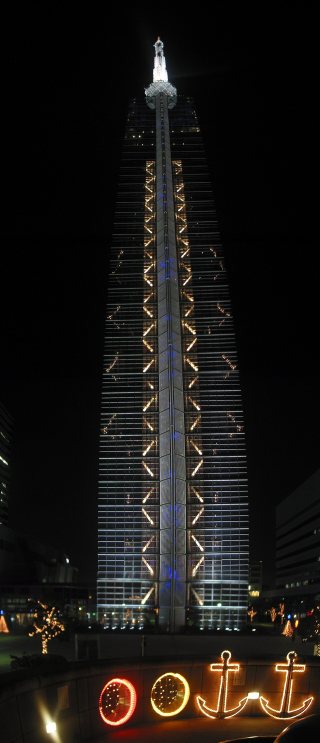
Fukuoka Tower Must see
234-metre seaside tower in Momochi with an observation deck at 123 metres and views over the bay and city.
Mizuho PayPay Dome Fukuoka Must see
Retractable-roof stadium by the sea, home of the SoftBank Hawks baseball team and a venue for large concerts.
Ohori Park Must see
Large park around a lake made from the old castle moat, with a 2 km lakeside path, a Japanese garden and the art museum.
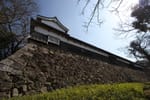
Fukuoka Castle Must see
Ruins of the Kuroda clan's early 17th-century castle in Maizuru Park, with stone walls, turrets and cherry blossoms in spring.
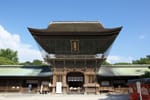
Hakozaki Shrine Must see
One of Japan's three great Hachiman shrines, with a large tower gate and a long approach running toward the sea.
Day 2
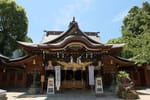
Kushida-jinja Must see
Hakata's main Shinto shrine and home of the Hakata Gion Yamakasa festival, with a tall decorated float on display.

Tōchō-ji
Shingon temple founded by Kūkai in 806, with a large seated wooden Buddha and a red five-storey pagoda in Hakata.
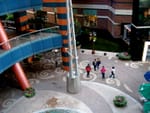
Canal City Hakata Must see
Large shopping and entertainment complex built around an artificial canal, with fountain shows, a theatre and ramen restaurants.
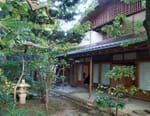
Rakusui-en Must see
Small Japanese garden with a pond, waterfall and tea house, on the site of a Hakata merchant's villa.

Nakasu yatai stalls
Open-air food stalls along the river on Nakasu island, serving Hakata ramen, yakitori and drinks in the evening.
Day 3
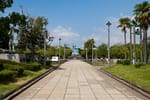
Nagasaki Peace Park Must see
Park on the hill above the hypocentre of the 1945 atomic bomb, with the Peace Statue and memorials from many countries.

Nagasaki Atomic Bomb Museum
Museum of the bombing of 9 August 1945, its victims and the city's rebuilding, with a call for nuclear disarmament.
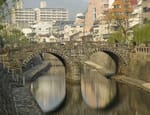
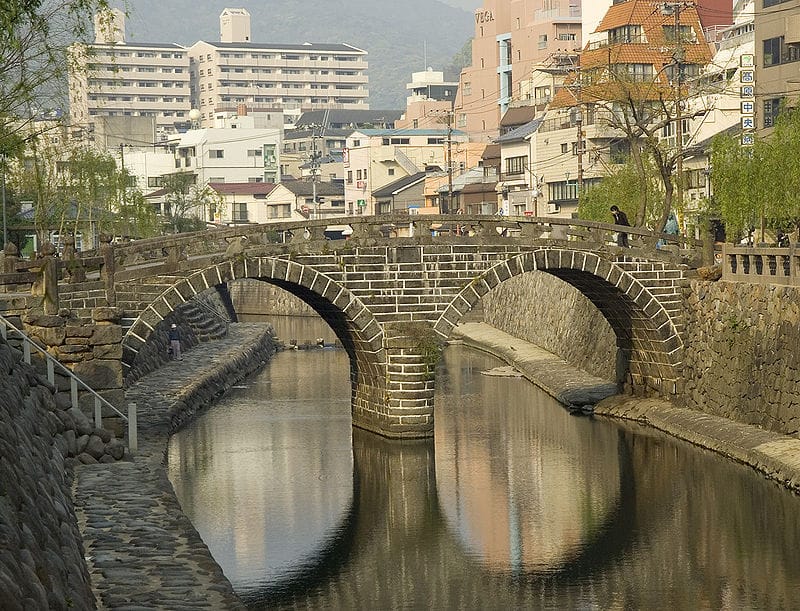
Megane Bridge Must see
Stone arch bridge of 1634 whose reflection in the Nakashima River looks like a pair of spectacles.

Sōfuku-ji
Chinese-style Zen temple founded in 1629, with a red Ming-style gate and halls that are national treasures.
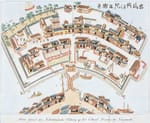
Dejima Must see
Reconstructed fan-shaped island where Dutch traders lived during Japan's centuries of isolation, with rebuilt warehouses and houses.

Oura Church
Japan's oldest standing church, built in 1864 for foreign residents, where hidden Christians revealed their faith in 1865.

Glover Garden
Hillside garden with the homes of Western merchants, including Thomas Glover's, and views over the harbour.

Mount Inasa
Hill west of the harbour reached by ropeway, known for one of Japan's best night views over the city and the bay.
Day 4

Kumamoto Castle
One of Japan's great castles, with curved stone walls and a black keep, rebuilt after the 2016 earthquakes and open again.

Sakuranobaba Josaien
Castle-town style complex below the castle with food and souvenir shops and the Wakuwaku-za history centre.

Kumamoto Prefectural Museum of Art
Art museum in the castle's Ninomaru Park, with Japanese and Western art and replicas of decorated burial mounds.

Suizen-ji Jōju-en
17th-century stroll garden with a pond and a small grassy hill imitating Mount Fuji, built by the Hosokawa lords.
Kamitori and Shimotori arcades
Covered shopping streets in the city centre with shops, izakayas and ramen counters, busy in the evening.
Day 5

Umi Jigoku
Sea Hell, a cobalt-blue hot spring pond of 98 degrees with clouds of steam, a garden and a giant lily pond.
Kannawa steam district
Beppu's old hot spring quarter, where steam rises from vents in the lanes, with small public baths and steam-cooking kitchens.

Chinoike Jigoku
Blood Pond Hell, the oldest natural hot spring in Japan by legend, coloured deep red by iron and clay.

Tatsumaki Jigoku
Spout Hell, a geyser held under a stone roof that shoots boiling water up every half hour or so.

Takegawara Onsen
Wooden bathhouse of 1938 in central Beppu with classic hot spring baths and a hot sand bath, where attendants bury you in sand.
Open this 5-day plan, freeChange this trip in the Trip BuilderChange it in the app
Kyushu in 7 days
Day 1
Fukuoka Tower Must see
234-metre seaside tower in Momochi with an observation deck at 123 metres and views over the bay and city.
Mizuho PayPay Dome Fukuoka Must see
Retractable-roof stadium by the sea, home of the SoftBank Hawks baseball team and a venue for large concerts.
Ohori Park Must see
Large park around a lake made from the old castle moat, with a 2 km lakeside path, a Japanese garden and the art museum.
Fukuoka Castle Must see
Ruins of the Kuroda clan's early 17th-century castle in Maizuru Park, with stone walls, turrets and cherry blossoms in spring.
Hakozaki Shrine Must see
One of Japan's three great Hachiman shrines, with a large tower gate and a long approach running toward the sea.
Day 2
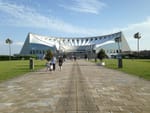
Marine World Uminonakamichi Must see
Aquarium on the Uminonakamichi peninsula with Kyushu sea life and dolphin and sea lion shows.
Kushida-jinja Must see
Hakata's main Shinto shrine and home of the Hakata Gion Yamakasa festival, with a tall decorated float on display.
Tōchō-ji
Shingon temple founded by Kūkai in 806, with a large seated wooden Buddha and a red five-storey pagoda in Hakata.
Canal City Hakata Must see
Large shopping and entertainment complex built around an artificial canal, with fountain shows, a theatre and ramen restaurants.
Rakusui-en Must see
Small Japanese garden with a pond, waterfall and tea house, on the site of a Hakata merchant's villa.
Nakasu yatai stalls
Open-air food stalls along the river on Nakasu island, serving Hakata ramen, yakitori and drinks in the evening.
Day 3

Dazaifu Tenmangū
Major Shinto shrine built over the grave of the scholar Sugawara no Michizane, visited by students praying for exam success, with plum trees.
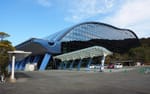
Kyushu National Museum Must see
National museum in Dazaifu on Japan's cultural exchange with Asia, beside Dazaifu Tenmangu shrine.
Day 4
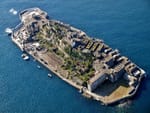
Hashima Island Must see
Abandoned coal-mining island known as Gunkanjima, the Battleship Island, visited on boat tours from Nagasaki harbour.
Glover Garden
Hillside garden with the homes of Western merchants, including Thomas Glover's, and views over the harbour.
Oura Church
Japan's oldest standing church, built in 1864 for foreign residents, where hidden Christians revealed their faith in 1865.
Dejima Must see
Reconstructed fan-shaped island where Dutch traders lived during Japan's centuries of isolation, with rebuilt warehouses and houses.

Nagasaki Shinchi Chinatown
Japan's oldest Chinatown, a small grid of streets with Chinese restaurants and shops, the home of champon noodles.
Mount Inasa
Hill west of the harbour reached by ropeway, known for one of Japan's best night views over the city and the bay.
Day 5
Sōfuku-ji
Chinese-style Zen temple founded in 1629, with a red Ming-style gate and halls that are national treasures.

Kōfuku-ji
Chinese Zen temple founded in the 1620s by Chinese traders, one of the oldest Ōbaku temples in Japan, in the Teramachi area.
Megane Bridge Must see
Stone arch bridge of 1634 whose reflection in the Nakashima River looks like a pair of spectacles.
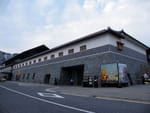
Nagasaki Museum of History and Culture Must see
Museum of Nagasaki's role as Japan's window to the outside world, with a rebuilt magistrate's office.

Twenty-Six Martyrs Museum and Monument
Monument and museum on Nishizaka Hill for the 26 Christians crucified there in 1597, beside a Gaudí-inspired church.
Nagasaki Atomic Bomb Museum
Museum of the bombing of 9 August 1945, its victims and the city's rebuilding, with a call for nuclear disarmament.

Nagasaki National Peace Memorial Hall for the Atomic Bomb Victims Must see
Memorial next to the Atomic Bomb Museum with a quiet hall of remembrance and the names of the victims.

Urakami Cathedral
Catholic cathedral rebuilt after the atomic bomb destroyed it in 1945, with damaged statues and a fallen bell tower nearby.
Nagasaki Peace Park Must see
Park on the hill above the hypocentre of the 1945 atomic bomb, with the Peace Statue and memorials from many countries.
Day 6
Kumamoto Castle
One of Japan's great castles, with curved stone walls and a black keep, rebuilt after the 2016 earthquakes and open again.
Sakuranobaba Josaien
Castle-town style complex below the castle with food and souvenir shops and the Wakuwaku-za history centre.
Kumamoto Prefectural Museum of Art
Art museum in the castle's Ninomaru Park, with Japanese and Western art and replicas of decorated burial mounds.
Suizen-ji Jōju-en
17th-century stroll garden with a pond and a small grassy hill imitating Mount Fuji, built by the Hosokawa lords.
Kamitori and Shimotori arcades
Covered shopping streets in the city centre with shops, izakayas and ramen counters, busy in the evening.
Day 7
Umi Jigoku
Sea Hell, a cobalt-blue hot spring pond of 98 degrees with clouds of steam, a garden and a giant lily pond.
Kannawa steam district
Beppu's old hot spring quarter, where steam rises from vents in the lanes, with small public baths and steam-cooking kitchens.
Chinoike Jigoku
Blood Pond Hell, the oldest natural hot spring in Japan by legend, coloured deep red by iron and clay.
Tatsumaki Jigoku
Spout Hell, a geyser held under a stone roof that shoots boiling water up every half hour or so.
Takegawara Onsen
Wooden bathhouse of 1938 in central Beppu with classic hot spring baths and a hot sand bath, where attendants bury you in sand.
Open this 7-day plan, freeChange this trip in the Trip BuilderChange it in the app
When to go to Kyushu
March to May and October to November are the best months. June and July are the rainy season, summer is hot and humid, and typhoons are most likely from August to September.
Plan the rest of your trip
- Where to stay: hotels in Kyushu on Booking.com or Trip.com
- Tours and day trips: things to do in Kyushu on Viator or on GetYourGuide
- Data on arrival: an eSIM for Japan from Airalo
Some of these are affiliate links: we may earn a small commission at no extra cost to you.
Tips for Kyushu
- A JR Kyushu Rail Pass covers most trains in this guide — compare its price with single tickets.
- Onsen etiquette: wash before entering the bath, no swimwear; some baths refuse visitors with tattoos.
- Many museums close on Mondays.
- Plugs are type A, 100 V. Emergencies: 110 (police), 119 (ambulance and fire).
- Every place here has its own ready-made guide with more days, if you want to stay longer in one place.
Make it your own
Open the guide in Andiamo Places to see every stop on a map with walking directions, move places between days, check opening hours for your dates, and add your own finds. After the trip, your photos become a journal and, if you like, a printed photo book.



Guides are made with the help of AI and public sources such as Wikipedia, and may contain errors. Opening hours and prices change, so check before you go. Spotted a wrong photo, a pin in the wrong place, a missing stop or a better one? Write to hello@andiamoplaces.com: the e-mail opens with this guide filled in.
Photo credits
- Canal City Hakata: Flying Toaster Uploaded by FlyingToaster at en.wikipedia, CC BY 3.0
- Chinoike Jigoku: Leyo, CC BY-SA 2.5 ch
- Dazaifu Tenmangū: Jakub Hałun, CC BY-SA 4.0
- Dejima: Isaac Titsingh, Public domain
- Fukuoka Castle: Pontafon, CC BY-SA 3.0
- Fukuoka Tower: No machine-readable author provided. Ningyou assumed (based on copyright claims)., Public domain
- Glover Garden: Unknown author Unknown author, Public domain
- Hakozaki Shrine: Pontafon, CC BY-SA 3.0
- Hashima Island: Flickr user: kntrty https://www.flickr.com/photos/kntrty/, CC BY 2.0
- Kumamoto Castle: Suicasmo, CC BY-SA 4.0
- Kumamoto Prefectural Museum of Art: MK Products at Japanese Wikipedia, CC BY-SA 3.0
- Kushida-jinja: Pontafon, CC BY-SA 3.0
- Kyushu National Museum: Nick-D, CC BY-SA 4.0
- Kōfuku-ji: Fg2, Public domain
- Marine World Uminonakamichi: そらみみ (Soramimi), CC BY-SA 4.0
- Megane Bridge: Fg2, Public domain
- Mizuho PayPay Dome Fukuoka: そらみみ (Soramimi), CC BY-SA 4.0
- Mount Inasa: ぱちょぴ, CC BY-SA 3.0
- Nagasaki Atomic Bomb Museum: Japanbird at Japanese Wikipedia ( :ja:User:海人 ), CC BY-SA 3.0
- Nagasaki Museum of History and Culture: Atsasebo, CC BY-SA 3.0
- Nagasaki National Peace Memorial Hall for the Atomic Bomb Victims: Ian David Winter, CC BY-SA 4.0
- Nagasaki Peace Park: jimmyweee, CC BY 2.0
- Nagasaki Shinchi Chinatown: 663highland, CC BY 2.5
- Nakasu yatai stalls: そらみみ (Soramimi), CC BY-SA 4.0
- Ohori Park: ぱちょぴ(投稿者)撮影, CC BY-SA 3.0
- Oura Church: Houjyou-Minori, CC0
- Rakusui-en: STA3816, CC BY-SA 3.0
- Sakuranobaba Josaien: Jdjuice, CC BY-SA 4.0
- Suizen-ji Jōju-en: 663highland, CC BY 2.5
- Sōfuku-ji: Fg2, Public domain
- Takegawara Onsen: 大分帰省中, CC BY 3.0
- Tatsumaki Jigoku: z tanuki, CC BY 3.0
- Twenty-Six Martyrs Museum and Monument: BigCheddah, CC BY-SA 4.0
- Tōchō-ji: Pontafon, CC BY-SA 3.0
- Umi Jigoku: Totti, CC BY-SA 4.0
- Urakami Cathedral: 663highland, CC BY 2.5
Opening hours change; check before you go. Map data © OpenStreetMap contributors.