 Andiamo Places
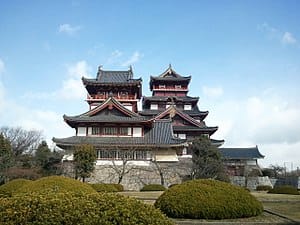
Kansai itinerary: 5, 7 or 10 days
Kansai in 5, 7 or 10 days: Kyoto's temples, shrines and gardens, the deer and Great Buddha of Nara, Osaka's castle and food streets — and in the longer plans Himeji's white castle, Kobe's harbour and the tea town of Uji. Every day comes from our checked city guides, with the train between them.
How long do you have?
Map: 10 days
Kansai in 5 days
Day 1
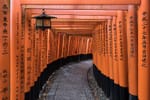
Fushimi Inari-taisha
The shrine of thousands of red torii gates winding up Mount Inari.
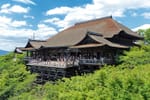
Kiyomizu-dera
A hillside temple with a wooden stage over the valley and views of the city.
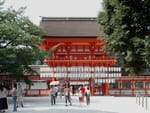
Shimogamo Shrine
One of Kyoto's oldest shrines, set in the ancient Tadasu no Mori forest.
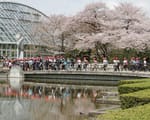
Kyoto Botanical Garden
Japan's oldest public botanical garden, beside the Kamo River.
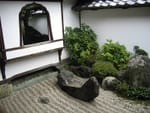
Daisen-in
A sub-temple of Daitoku-ji with one of Japan's most famous dry landscape gardens.
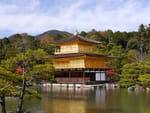
Kinkaku-ji
The Golden Pavilion, a gold-leaf temple reflected in its pond.
Day 2

Nishiki Market
A narrow covered market street of food stalls known as 'Kyoto's kitchen'.
Kyoto Tower
The tower opposite Kyoto Station, with an observation deck over the city.
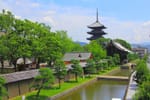
To-ji
A temple with Japan's tallest wooden pagoda and a big monthly flea market.
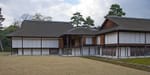
Katsura Imperial Villa
A 17th-century imperial villa and garden, a peak of Japanese design (reservation needed).
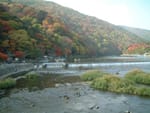
Arashiyama
A district in the western hills with the famous bamboo grove, Tenryū-ji and the river.
Day 3
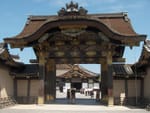
Nijo Castle
The shoguns' palace with 'nightingale floors' that squeak to warn of intruders.
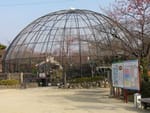
Kyoto City Zoo
A small zoo in the Okazaki park area near Heian Shrine.
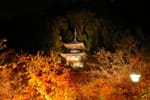
Eikan-do Zenrin-ji
A hillside temple famous for its autumn leaves and the 'Buddha looking back'.
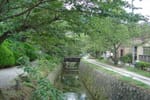
Philosopher's Walk
A canal-side path between Ginkaku-ji and Nanzen-ji, lined with cherry trees.
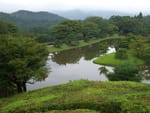
Shugakuin Imperial Villa
Terraced imperial gardens and tea houses at the foot of Mount Hiei (reservation needed).
Day 4

Kōfuku-ji
Chinese Zen temple founded in the 1620s by Chinese traders, one of the oldest Ōbaku temples in Japan, in the Teramachi area.

Isui-en
Japanese strolling garden with ponds, a teahouse and borrowed views of Tōdai-ji's gate and the hills beyond.

Tōdai-ji
Vast Buddhist temple whose Great Buddha Hall houses a bronze Buddha about 15 m high, entered through the Nandaimon gate.

Nara Park
Large park at the foot of Mount Wakakusa where hundreds of tame sika deer roam among temples and lawns.

Kasuga-taisha
Shinto shrine founded in 768, known for its vermilion buildings and thousands of stone and bronze lanterns along its paths.

Naramachi
Old merchant quarter south of Sarusawa Pond, with preserved wooden townhouses, small museums, cafes and craft shops.
Day 5
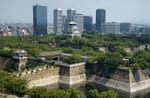
Osaka Castle
The city's landmark castle, founded by Toyotomi Hideyoshi; the rebuilt main tower holds a museum and a viewing deck.
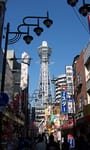
Shinsekai
An old neighbourhood of kushikatsu stalls and neon signs around Tsutenkaku tower, south of Namba.
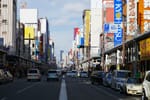
Nipponbashi
Osaka's electronics, anime and manga district along Sakaisuji Avenue, known as Den Den Town.
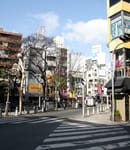
Amerikamura
A youth-culture district near Shinsaibashi of vintage clothes shops, cafés and street art, centred on Triangle Park.
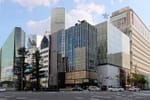
Shinsaibashi
Osaka's main shopping district, with the covered Shinsaibashi-suji arcade running south to Dotonbori.
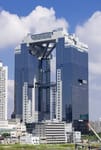
Umeda Sky Building
Two towers joined at the top by the Floating Garden Observatory, with an open-air deck 173 m above Umeda.
Open this 5-day plan, freeChange this trip in the Trip BuilderChange it in the app
Kansai in 7 days
Day 1
Fushimi Inari-taisha
The shrine of thousands of red torii gates winding up Mount Inari.
Kiyomizu-dera
A hillside temple with a wooden stage over the valley and views of the city.
Shimogamo Shrine
One of Kyoto's oldest shrines, set in the ancient Tadasu no Mori forest.
Kyoto Botanical Garden
Japan's oldest public botanical garden, beside the Kamo River.
Daisen-in
A sub-temple of Daitoku-ji with one of Japan's most famous dry landscape gardens.
Kinkaku-ji
The Golden Pavilion, a gold-leaf temple reflected in its pond.
Day 2
Nishiki Market
A narrow covered market street of food stalls known as 'Kyoto's kitchen'.
Kyoto Tower
The tower opposite Kyoto Station, with an observation deck over the city.
To-ji
A temple with Japan's tallest wooden pagoda and a big monthly flea market.
Katsura Imperial Villa
A 17th-century imperial villa and garden, a peak of Japanese design (reservation needed).
Arashiyama
A district in the western hills with the famous bamboo grove, Tenryū-ji and the river.
Day 3
Nijo Castle
The shoguns' palace with 'nightingale floors' that squeak to warn of intruders.
Kyoto City Zoo
A small zoo in the Okazaki park area near Heian Shrine.
Eikan-do Zenrin-ji
A hillside temple famous for its autumn leaves and the 'Buddha looking back'.
Philosopher's Walk
A canal-side path between Ginkaku-ji and Nanzen-ji, lined with cherry trees.
Shugakuin Imperial Villa
Terraced imperial gardens and tea houses at the foot of Mount Hiei (reservation needed).
Day 4
Kōfuku-ji
Chinese Zen temple founded in the 1620s by Chinese traders, one of the oldest Ōbaku temples in Japan, in the Teramachi area.
Isui-en
Japanese strolling garden with ponds, a teahouse and borrowed views of Tōdai-ji's gate and the hills beyond.
Tōdai-ji
Vast Buddhist temple whose Great Buddha Hall houses a bronze Buddha about 15 m high, entered through the Nandaimon gate.
Nara Park
Large park at the foot of Mount Wakakusa where hundreds of tame sika deer roam among temples and lawns.
Kasuga-taisha
Shinto shrine founded in 768, known for its vermilion buildings and thousands of stone and bronze lanterns along its paths.
Naramachi
Old merchant quarter south of Sarusawa Pond, with preserved wooden townhouses, small museums, cafes and craft shops.
Day 5
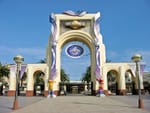
Universal Studios Japan
A film theme park on the bay with Super Nintendo World and the Wizarding World of Harry Potter; plan a full day.

Osaka Prefectural Nakanoshima Library
A domed neo-Baroque library of 1904 on Nakanoshima, still in use and a protected cultural property.
Nipponbashi
Osaka's electronics, anime and manga district along Sakaisuji Avenue, known as Den Den Town.
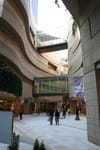
Namba Parks
A shopping and office complex in Namba with terraced rooftop gardens that climb the building.
Day 6
Osaka Castle
The city's landmark castle, founded by Toyotomi Hideyoshi; the rebuilt main tower holds a museum and a viewing deck.
Umeda Sky Building
Two towers joined at the top by the Floating Garden Observatory, with an open-air deck 173 m above Umeda.
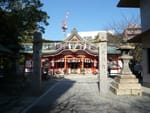
Tamatsukuri Inari Shrine
A Shinto shrine dedicated to Inari, near Osaka Castle, said to date back some 2,000 years.
Shinsekai
An old neighbourhood of kushikatsu stalls and neon signs around Tsutenkaku tower, south of Namba.
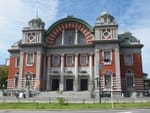
Nakanoshima Park
Osaka's first public park, opened in 1891 on a river island, with a rose garden and historic buildings nearby.
Amerikamura
A youth-culture district near Shinsaibashi of vintage clothes shops, cafés and street art, centred on Triangle Park.
Day 7
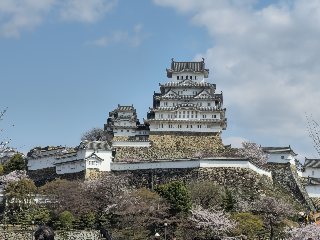
Himeji Castle
Japan's finest surviving original castle, the 'White Heron', with a towering keep and maze of gates; a UNESCO World Heritage site.

Koko-en Garden
Nine walled gardens on the site of samurai houses beside the castle, with ponds, a tea house and maples in autumn.

Engyo-ji on Mount Shosha
Mountain temple of great wooden halls in the forest, reached by ropeway, where scenes of The Last Samurai were filmed.
Open this 7-day plan, freeChange this trip in the Trip BuilderChange it in the app
Kansai in 10 days
Day 1
Fushimi Inari-taisha
The shrine of thousands of red torii gates winding up Mount Inari.
Kiyomizu-dera
A hillside temple with a wooden stage over the valley and views of the city.
Shimogamo Shrine
One of Kyoto's oldest shrines, set in the ancient Tadasu no Mori forest.
Kyoto Botanical Garden
Japan's oldest public botanical garden, beside the Kamo River.
Daisen-in
A sub-temple of Daitoku-ji with one of Japan's most famous dry landscape gardens.
Kinkaku-ji
The Golden Pavilion, a gold-leaf temple reflected in its pond.
Day 2
Nishiki Market
A narrow covered market street of food stalls known as 'Kyoto's kitchen'.
Kyoto Tower
The tower opposite Kyoto Station, with an observation deck over the city.
To-ji
A temple with Japan's tallest wooden pagoda and a big monthly flea market.
Katsura Imperial Villa
A 17th-century imperial villa and garden, a peak of Japanese design (reservation needed).
Arashiyama
A district in the western hills with the famous bamboo grove, Tenryū-ji and the river.
Day 3
Nijo Castle
The shoguns' palace with 'nightingale floors' that squeak to warn of intruders.
Kyoto City Zoo
A small zoo in the Okazaki park area near Heian Shrine.
Eikan-do Zenrin-ji
A hillside temple famous for its autumn leaves and the 'Buddha looking back'.
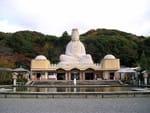
Ryozen Kannon
A huge concrete statue of the goddess of mercy, a war memorial near Kōdai-ji.

Maruyama Park
Wooded park at the foot of Mount Maruyama with Hokkaido Shrine, the zoo and cherry blossoms in early May.
Day 4
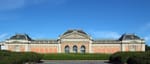
Kyoto National Museum
Japanese and Asian art, from Buddhist sculpture to ceramics, opposite Sanjūsangen-dō.
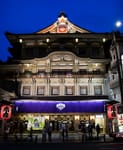
Minami-za
Japan's oldest kabuki theatre, by the Kamo River in Gion.
Philosopher's Walk
A canal-side path between Ginkaku-ji and Nanzen-ji, lined with cherry trees.
Shugakuin Imperial Villa
Terraced imperial gardens and tea houses at the foot of Mount Hiei (reservation needed).
Day 5

The Tale of Genji Museum
Museum bringing the Uji chapters of the Tale of Genji to life with a full-size ox carriage, models and a short film.

Ujigami Shrine
Small shrine on the east bank whose Heian-period main hall is thought to be the oldest surviving shrine building in Japan; a World Heritage site.

Uji Shrine
Quiet shrine next to Ujigami Shrine, among trees at the foot of the hill, dedicated to the son of an early emperor.

Uji River and Tonoshima Island
Islands in the fast, clear Uji River, linked by bridges, with a thirteen-storey stone pagoda and views of the wooded hills.
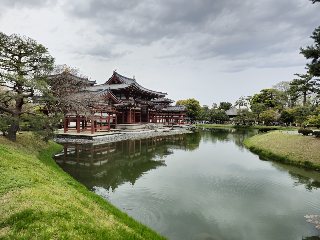
Byodo-in
Aristocrat's villa turned temple in 1052; its Phoenix Hall of 1053, mirrored in a pond and shown on the 10-yen coin, is a World Heritage site.

Byodoin Omotesando tea street
Approach to Byodo-in lined with old tea shops selling matcha, matcha ice cream and sweets, and green-tea soba for lunch.
Day 6
Kōfuku-ji
Chinese Zen temple founded in the 1620s by Chinese traders, one of the oldest Ōbaku temples in Japan, in the Teramachi area.
Isui-en
Japanese strolling garden with ponds, a teahouse and borrowed views of Tōdai-ji's gate and the hills beyond.
Tōdai-ji
Vast Buddhist temple whose Great Buddha Hall houses a bronze Buddha about 15 m high, entered through the Nandaimon gate.
Nara Park
Large park at the foot of Mount Wakakusa where hundreds of tame sika deer roam among temples and lawns.
Kasuga-taisha
Shinto shrine founded in 768, known for its vermilion buildings and thousands of stone and bronze lanterns along its paths.
Naramachi
Old merchant quarter south of Sarusawa Pond, with preserved wooden townhouses, small museums, cafes and craft shops.
Day 7
Universal Studios Japan
A film theme park on the bay with Super Nintendo World and the Wizarding World of Harry Potter; plan a full day.
Nipponbashi
Osaka's electronics, anime and manga district along Sakaisuji Avenue, known as Den Den Town.
Namba Parks
A shopping and office complex in Namba with terraced rooftop gardens that climb the building.
Day 8
Osaka Castle
The city's landmark castle, founded by Toyotomi Hideyoshi; the rebuilt main tower holds a museum and a viewing deck.
Umeda Sky Building
Two towers joined at the top by the Floating Garden Observatory, with an open-air deck 173 m above Umeda.
Tamatsukuri Inari Shrine
A Shinto shrine dedicated to Inari, near Osaka Castle, said to date back some 2,000 years.
Shinsekai
An old neighbourhood of kushikatsu stalls and neon signs around Tsutenkaku tower, south of Namba.
Nakanoshima Park
Osaka's first public park, opened in 1891 on a river island, with a rose garden and historic buildings nearby.
Amerikamura
A youth-culture district near Shinsaibashi of vintage clothes shops, cafés and street art, centred on Triangle Park.
Day 9

Meriken Park
Waterfront park with the Port of Kobe Earthquake Memorial, which keeps a stretch of quay as the 1995 earthquake left it, and the BE KOBE sign.

Kobe Port Tower
Red lattice tower of 1963 with an observation deck, the symbol of the port, with views over the harbour and the Rokko hills.

Former Foreign Settlement (Kyu-kyoryuchi)
The district laid out for foreign traders when the port opened in 1868, its stone Western-style office buildings now holding shops and cafés.

Nankinmachi (Chinatown)
Kobe's compact Chinatown south of Motomachi Station, packed with stalls selling steamed buns, dumplings and other street food.

Ikuta Shrine
One of Japan's oldest shrines, said to date from the third century, in the middle of Sannomiya's shopping and restaurant streets.
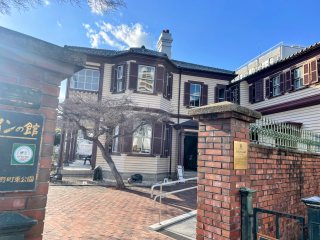
Kitano Ijinkan and the Weathercock House
Hillside quarter of houses built by foreign merchants after the port opened, among them the red-brick Weathercock House of 1909.

Kobe Harborland
Waterfront shopping and dining area round the old harbour, with the Mosaic mall and its terraces looking across to Port Tower.
Day 10
Himeji Castle
Japan's finest surviving original castle, the 'White Heron', with a towering keep and maze of gates; a UNESCO World Heritage site.
Koko-en Garden
Nine walled gardens on the site of samurai houses beside the castle, with ponds, a tea house and maples in autumn.
Engyo-ji on Mount Shosha
Mountain temple of great wooden halls in the forest, reached by ropeway, where scenes of The Last Samurai were filmed.
Open this 10-day plan, freeChange this trip in the Trip BuilderChange it in the app
When to go to Kansai
Late March to early April (cherry blossom) and November (autumn leaves) are the most beautiful and the busiest times; book early. May and October are mild and calmer. June is the rainy season, July and August are hot and humid, and winter is cold but clear and quiet.
Plan the rest of your trip
- Where to stay: hotels in Kansai on Booking.com or Trip.com
- Tours and day trips: things to do in Kansai on Viator or on GetYourGuide
- Data on arrival: an eSIM for Japan from Airalo
Some of these are affiliate links: we may earn a small commission at no extra cost to you.
Tips for Kansai
- Kansai or Tokyo? Kansai is Japan's old capital region — temples, castles and food; Tokyo is the modern capital with Hakone and Mount Fuji nearby — our Japan 7-14 days guide does both.
- Start Kyoto's famous sights early: Fushimi Inari and Kiyomizu-dera are crowded by mid-morning.
- Many temples close their gates around 16:30–17:00; shrines' grounds are often open longer.
- Carry some cash: small temples, shops and food stalls may not take cards.
- Every place here has its own ready-made guide with more days, if you want to stay longer in one place.
Make it your own
Open the guide in Andiamo Places to see every stop on a map with walking directions, move places between days, check opening hours for your dates, and add your own finds. After the trip, your photos become a journal and, if you like, a printed photo book.



Guides are made with the help of AI and public sources such as Wikipedia, and may contain errors. Opening hours and prices change, so check before you go. Spotted a wrong photo, a pin in the wrong place, a missing stop or a better one? Write to hello@andiamoplaces.com: the e-mail opens with this guide filled in.
Photo credits
- Amerikamura: BradBeattie at English Wikipedia, CC BY-SA 3.0
- Arashiyama: Chris Spackman / TakuyaMurata at en.wikipedia, CC BY-SA 3.0
- Byodoin Omotesando tea street: lienyuan lee, CC BY 3.0
- Daisen-in: No machine-readable author provided. Ivanoff~commonswiki assumed (based on copyright claims)., CC BY-SA 3.0
- Eikan-do Zenrin-ji: Tomomarusan, CC BY 2.5
- Engyo-ji on Mount Shosha: 663highland, CC BY 2.5
- Former Foreign Settlement (Kyu-kyoryuchi): Adolfo FARSARI, Public domain
- Fushimi Inari-taisha: Basile Morin, CC BY-SA 4.0
- Ikuta Shrine: unknown author, CC BY 2.5
- Isui-en: Kimon Berlin (Gribeco), CC BY-SA 4.0
- Kasuga-taisha: 663highland, CC BY 2.5
- Katsura Imperial Villa: KimonBerlin, CC BY-SA 2.0
- Kinkaku-ji: Jaycangel, CC BY-SA 3.0
- Kiyomizu-dera: Jordy Meow, CC BY-SA 3.0
- Kobe Harborland: Mass Ave 975 at English Wikipedia, CC BY-SA 3.0
- Kobe Port Tower: Balon Greyjoy, CC0
- Koko-en Garden: 663highland, CC BY 2.5
- Kyoto Botanical Garden: KimonBerlin, CC BY-SA 2.0
- Kyoto City Zoo: Zz2, CC BY-SA 3.0
- Kyoto National Museum: Wiiii, CC BY-SA 3.0
- Kyoto Tower: Rwendland, CC BY-SA 4.0
- Kōfuku-ji: 663highland, CC BY-SA 4.0
- Maruyama Park: 663highland, CC BY-SA 4.0
- Meriken Park: 663highland, CC BY 2.5
- Minami-za: MichaelMaggs, CC BY-SA 2.5
- Nakanoshima Park: Mc681, CC BY-SA 4.0
- Namba Parks: BradBeattie, CC BY-SA 3.0
- Nankinmachi (Chinatown): 663highland, CC BY 2.5
- Nara Park: Feri88, CC BY 3.0
- Naramachi: 663highland, CC BY 2.5
- Nijo Castle: unknown author, Public domain
- Nipponbashi: Oilstreet, CC BY 2.5
- Nishiki Market: ellievanhoutte from Nishiki-ichiba, Kyoto, CC BY 2.0
- Osaka Castle: 663highland, CC BY 2.5
- Osaka Prefectural Nakanoshima Library: Asturio Cantabrio, CC BY-SA 4.0
- Philosopher's Walk: David Monniaux, CC BY-SA 3.0
- Ryozen Kannon: AstroMark ( talk ), CC BY-SA 3.0
- Shimogamo Shrine: Mochi at Japanese Wikipedia, CC BY-SA 3.0
- Shinsaibashi: Oilstreet, CC BY 2.5
- Shinsekai: MShades from Osaka, CC BY 2.0
- Shugakuin Imperial Villa: Daderot, CC BY-SA 3.0
- Tamatsukuri Inari Shrine: nnh, Public domain
- The Tale of Genji Museum: 663highland, CC BY 2.5
- To-ji: Kakidai, CC BY-SA 4.0
- Tōdai-ji: Wiiii, CC BY-SA 3.0
- Uji River and Tonoshima Island: lienyuan lee, CC BY 3.0
- Uji Shrine: 663highland, CC BY 2.5
- Ujigami Shrine: 663highland, CC BY 2.5
- Umeda Sky Building: Kakidai, CC BY-SA 4.0
- Universal Studios Japan: Momopy~commonswiki, CC BY-SA 3.0
Opening hours change; check before you go. Map data © OpenStreetMap contributors.