 Andiamo Places
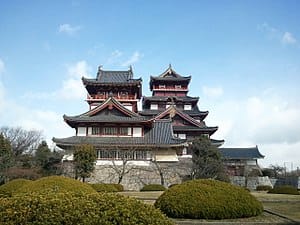
Japan itinerary: 7, 10 or 14 days
Japan in 7, 10 or 14 days: Tokyo's neighbourhoods, Kyoto's temples and gardens, the deer and great Buddha of Nara and Osaka's food streets — and in the longer plans Hakone and its Mount Fuji views, Kamakura's great Buddha, Hiroshima and the island shrine of Miyajima. Every day comes from our checked city guides, with the journey between them.
How long do you have?
Map: 14 days
Japan in 7 days
Day 1
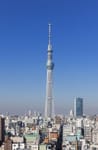
Tokyo Skytree
The 634-metre broadcasting tower in Sumida, with two observation decks high above the city.
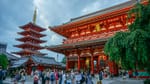
Senso-ji
Tokyo's oldest temple, in Asakusa, reached through the Kaminarimon gate and the Nakamise shopping street.
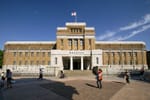
National Museum of Nature and Science
Japan's national science museum in Ueno Park, with dinosaur skeletons and galleries on Japanese natural history.
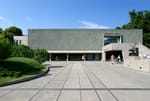
National Museum of Western Art
A Le Corbusier building in Ueno Park with Rodin sculptures and European paintings from the Matsukata collection.
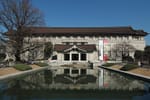
Tokyo National Museum
Japan's oldest and largest museum, in Ueno Park, with samurai armour, scrolls, ceramics and Buddhist art.
Day 2
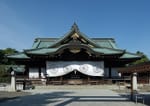
Yasukuni Shrine
A Shinto shrine to Japan's war dead, politically controversial, with the Yūshūkan war museum beside it.
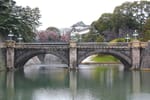
Tokyo Imperial Palace
The emperor's residence on the site of Edo Castle; the East Gardens and the outer moats are open to visitors.
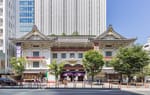
Kabuki-za
Tokyo's main kabuki theatre in Ginza; single-act tickets let you watch just one act of a programme.
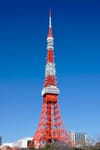
Tokyo Tower
The red and white 1958 tower in Minato, inspired by the Eiffel Tower, with observation decks.

The National Art Center, Tokyo
A large exhibition hall in Roppongi with a wavy glass façade by Kisho Kurokawa; it has no permanent collection.
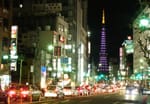
Roppongi
A district of Minato known for nightlife, art museums and the Roppongi Hills and Tokyo Midtown complexes.
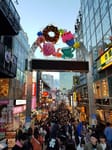
Takeshita Street
Harajuku's narrow pedestrian street of youth fashion shops, sweet stalls and crêpe stands.
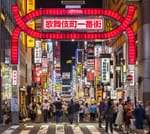
Kabukicho, Tokyo
Shinjuku's neon-lit entertainment district of bars, restaurants and clubs, busiest after dark.
Day 3
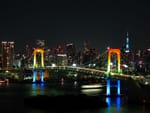
Rainbow Bridge
The suspension bridge across Tokyo Bay to Odaiba, with a pedestrian walkway and lights at night.
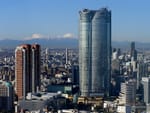
Roppongi Hills
A large office and shopping complex with the Mori Art Museum and the Tokyo City View observation deck.
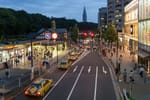
Harajuku
The district between Harajuku Station and Omotesandō, known for youth fashion, street style and crêpe stands.
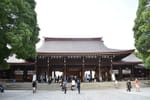
Meiji Shrine
A Shinto shrine to Emperor Meiji and Empress Shōken, reached through a large forest next to Harajuku.
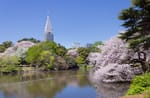
Shinjuku Gyoen
A large former imperial garden mixing Japanese, English and French styles, famous for its cherry blossoms.
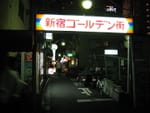
Shinjuku Golden Gai
A few narrow alleys of tiny bars in Shinjuku, many seating only a handful of people.
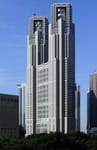
Tokyo Metropolitan Government Building
Kenzo Tange's twin-towered city hall in Shinjuku, with free observation decks on the 45th floor.
Day 4
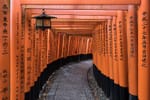
Fushimi Inari-taisha
The shrine of thousands of red torii gates winding up Mount Inari.
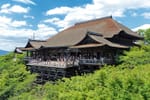
Kiyomizu-dera
A hillside temple with a wooden stage over the valley and views of the city.
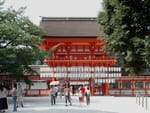
Shimogamo Shrine
One of Kyoto's oldest shrines, set in the ancient Tadasu no Mori forest.
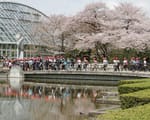
Kyoto Botanical Garden
Japan's oldest public botanical garden, beside the Kamo River.
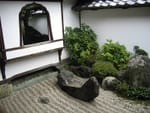
Daisen-in
A sub-temple of Daitoku-ji with one of Japan's most famous dry landscape gardens.
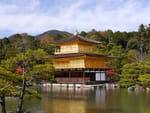
Kinkaku-ji
The Golden Pavilion, a gold-leaf temple reflected in its pond.
Day 5

Nishiki Market
A narrow covered market street of food stalls known as 'Kyoto's kitchen'.
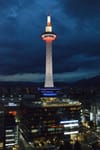
Kyoto Tower
The tower opposite Kyoto Station, with an observation deck over the city.
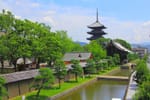
To-ji
A temple with Japan's tallest wooden pagoda and a big monthly flea market.
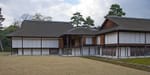
Katsura Imperial Villa
A 17th-century imperial villa and garden, a peak of Japanese design (reservation needed).
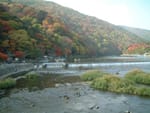
Arashiyama
A district in the western hills with the famous bamboo grove, Tenryū-ji and the river.
Day 6

Kōfuku-ji
Chinese Zen temple founded in the 1620s by Chinese traders, one of the oldest Ōbaku temples in Japan, in the Teramachi area.

Isui-en
Japanese strolling garden with ponds, a teahouse and borrowed views of Tōdai-ji's gate and the hills beyond.

Tōdai-ji
Vast Buddhist temple whose Great Buddha Hall houses a bronze Buddha about 15 m high, entered through the Nandaimon gate.

Nara Park
Large park at the foot of Mount Wakakusa where hundreds of tame sika deer roam among temples and lawns.

Kasuga-taisha
Shinto shrine founded in 768, known for its vermilion buildings and thousands of stone and bronze lanterns along its paths.

Naramachi
Old merchant quarter south of Sarusawa Pond, with preserved wooden townhouses, small museums, cafes and craft shops.
Day 7
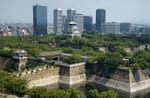
Osaka Castle
The city's landmark castle, founded by Toyotomi Hideyoshi; the rebuilt main tower holds a museum and a viewing deck.
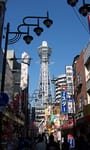
Shinsekai
An old neighbourhood of kushikatsu stalls and neon signs around Tsutenkaku tower, south of Namba.
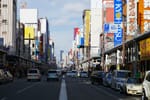
Nipponbashi
Osaka's electronics, anime and manga district along Sakaisuji Avenue, known as Den Den Town.
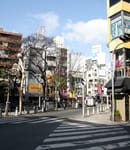
Amerikamura
A youth-culture district near Shinsaibashi of vintage clothes shops, cafés and street art, centred on Triangle Park.
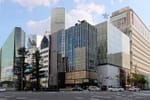
Shinsaibashi
Osaka's main shopping district, with the covered Shinsaibashi-suji arcade running south to Dotonbori.
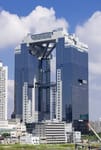
Umeda Sky Building
Two towers joined at the top by the Floating Garden Observatory, with an open-air deck 173 m above Umeda.
Open this 7-day plan, freeChange this trip in the Trip BuilderChange it in the app
Japan in 10 days
Day 1
Tokyo Skytree
The 634-metre broadcasting tower in Sumida, with two observation decks high above the city.
Senso-ji
Tokyo's oldest temple, in Asakusa, reached through the Kaminarimon gate and the Nakamise shopping street.
National Museum of Nature and Science
Japan's national science museum in Ueno Park, with dinosaur skeletons and galleries on Japanese natural history.
National Museum of Western Art
A Le Corbusier building in Ueno Park with Rodin sculptures and European paintings from the Matsukata collection.
Tokyo National Museum
Japan's oldest and largest museum, in Ueno Park, with samurai armour, scrolls, ceramics and Buddhist art.
Day 2
Yasukuni Shrine
A Shinto shrine to Japan's war dead, politically controversial, with the Yūshūkan war museum beside it.
Tokyo Imperial Palace
The emperor's residence on the site of Edo Castle; the East Gardens and the outer moats are open to visitors.
Kabuki-za
Tokyo's main kabuki theatre in Ginza; single-act tickets let you watch just one act of a programme.
Tokyo Tower
The red and white 1958 tower in Minato, inspired by the Eiffel Tower, with observation decks.
The National Art Center, Tokyo
A large exhibition hall in Roppongi with a wavy glass façade by Kisho Kurokawa; it has no permanent collection.
Roppongi
A district of Minato known for nightlife, art museums and the Roppongi Hills and Tokyo Midtown complexes.
Takeshita Street
Harajuku's narrow pedestrian street of youth fashion shops, sweet stalls and crêpe stands.
Kabukicho, Tokyo
Shinjuku's neon-lit entertainment district of bars, restaurants and clubs, busiest after dark.
Day 3
Rainbow Bridge
The suspension bridge across Tokyo Bay to Odaiba, with a pedestrian walkway and lights at night.
Roppongi Hills
A large office and shopping complex with the Mori Art Museum and the Tokyo City View observation deck.
Harajuku
The district between Harajuku Station and Omotesandō, known for youth fashion, street style and crêpe stands.
Meiji Shrine
A Shinto shrine to Emperor Meiji and Empress Shōken, reached through a large forest next to Harajuku.
Shinjuku Gyoen
A large former imperial garden mixing Japanese, English and French styles, famous for its cherry blossoms.
Shinjuku Golden Gai
A few narrow alleys of tiny bars in Shinjuku, many seating only a handful of people.
Tokyo Metropolitan Government Building
Kenzo Tange's twin-towered city hall in Shinjuku, with free observation decks on the 45th floor.
Day 4

Hakone Shrine
Shinto shrine among cedars on the shore of Lake Ashi, known for its red torii gate standing in the water.
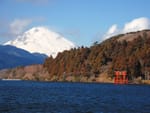
Lake Ashi
Crater lake in Hakone with sightseeing boats shaped like pirate ships and views of Mount Fuji on clear days.

Ōwakudani
Volcanic valley with sulphur vents and steaming ground, famous for eggs boiled black in the hot springs; reached by ropeway.
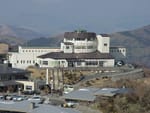
Hakone Ropeway
Cable car running from Sounzan over the Owakudani volcanic valley to Lake Ashi, with steam vents and Fuji views.
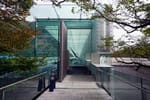
Pola Museum of Art
Art museum in the forest at Sengokuhara, with a collection of Impressionist paintings and modern Japanese works.
Day 5
Fushimi Inari-taisha
The shrine of thousands of red torii gates winding up Mount Inari.
Kiyomizu-dera
A hillside temple with a wooden stage over the valley and views of the city.
Shimogamo Shrine
One of Kyoto's oldest shrines, set in the ancient Tadasu no Mori forest.
Kyoto Botanical Garden
Japan's oldest public botanical garden, beside the Kamo River.
Daisen-in
A sub-temple of Daitoku-ji with one of Japan's most famous dry landscape gardens.
Kinkaku-ji
The Golden Pavilion, a gold-leaf temple reflected in its pond.
Day 6
Nishiki Market
A narrow covered market street of food stalls known as 'Kyoto's kitchen'.
Kyoto Tower
The tower opposite Kyoto Station, with an observation deck over the city.
To-ji
A temple with Japan's tallest wooden pagoda and a big monthly flea market.
Katsura Imperial Villa
A 17th-century imperial villa and garden, a peak of Japanese design (reservation needed).
Arashiyama
A district in the western hills with the famous bamboo grove, Tenryū-ji and the river.
Day 7
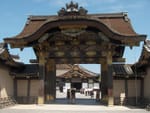
Nijo Castle
The shoguns' palace with 'nightingale floors' that squeak to warn of intruders.
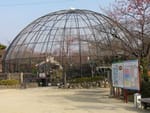
Kyoto City Zoo
A small zoo in the Okazaki park area near Heian Shrine.
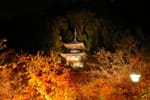
Eikan-do Zenrin-ji
A hillside temple famous for its autumn leaves and the 'Buddha looking back'.
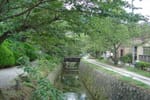
Philosopher's Walk
A canal-side path between Ginkaku-ji and Nanzen-ji, lined with cherry trees.
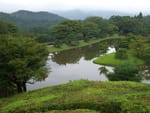
Shugakuin Imperial Villa
Terraced imperial gardens and tea houses at the foot of Mount Hiei (reservation needed).
Day 8
Kōfuku-ji
Chinese Zen temple founded in the 1620s by Chinese traders, one of the oldest Ōbaku temples in Japan, in the Teramachi area.
Isui-en
Japanese strolling garden with ponds, a teahouse and borrowed views of Tōdai-ji's gate and the hills beyond.
Tōdai-ji
Vast Buddhist temple whose Great Buddha Hall houses a bronze Buddha about 15 m high, entered through the Nandaimon gate.
Nara Park
Large park at the foot of Mount Wakakusa where hundreds of tame sika deer roam among temples and lawns.
Kasuga-taisha
Shinto shrine founded in 768, known for its vermilion buildings and thousands of stone and bronze lanterns along its paths.
Naramachi
Old merchant quarter south of Sarusawa Pond, with preserved wooden townhouses, small museums, cafes and craft shops.
Day 9
Osaka Castle
The city's landmark castle, founded by Toyotomi Hideyoshi; the rebuilt main tower holds a museum and a viewing deck.
Shinsekai
An old neighbourhood of kushikatsu stalls and neon signs around Tsutenkaku tower, south of Namba.
Nipponbashi
Osaka's electronics, anime and manga district along Sakaisuji Avenue, known as Den Den Town.
Amerikamura
A youth-culture district near Shinsaibashi of vintage clothes shops, cafés and street art, centred on Triangle Park.
Shinsaibashi
Osaka's main shopping district, with the covered Shinsaibashi-suji arcade running south to Dotonbori.
Umeda Sky Building
Two towers joined at the top by the Floating Garden Observatory, with an open-air deck 173 m above Umeda.
Day 10
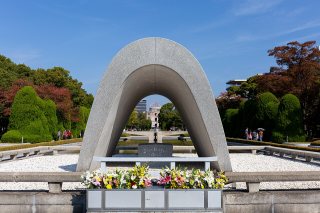
Hiroshima Peace Memorial Park
Large park at the bomb's hypocentre, with the Peace Memorial Museum, cenotaph and eternal flame.

Hiroshima Peace Memorial Museum
The museum on the atomic bombing of 1945 and its victims, in the Peace Memorial Park; allow at least two hours.
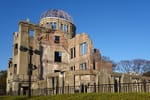
Hiroshima Peace Memorial
The Atomic Bomb Dome, ruins of a 1915 exhibition hall left as they stood after 1945; a UNESCO World Heritage Site.
Open this 10-day plan, freeChange this trip in the Trip BuilderChange it in the app
Japan in 14 days
Day 1
Tokyo Metropolitan Government Building
Kenzo Tange's twin-towered city hall in Shinjuku, with free observation decks on the 45th floor.
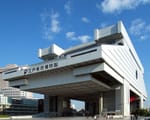
Edo-Tokyo Museum
A large museum of the city's history from the Edo period on, with full-size replicas, next to the Ryōgoku sumo arena.
Tokyo Skytree
The 634-metre broadcasting tower in Sumida, with two observation decks high above the city.
Senso-ji
Tokyo's oldest temple, in Asakusa, reached through the Kaminarimon gate and the Nakamise shopping street.
National Museum of Nature and Science
Japan's national science museum in Ueno Park, with dinosaur skeletons and galleries on Japanese natural history.
Tokyo National Museum
Japan's oldest and largest museum, in Ueno Park, with samurai armour, scrolls, ceramics and Buddhist art.
Day 2
Yasukuni Shrine
A Shinto shrine to Japan's war dead, politically controversial, with the Yūshūkan war museum beside it.
Tokyo Imperial Palace
The emperor's residence on the site of Edo Castle; the East Gardens and the outer moats are open to visitors.
Kabuki-za
Tokyo's main kabuki theatre in Ginza; single-act tickets let you watch just one act of a programme.
Tokyo Tower
The red and white 1958 tower in Minato, inspired by the Eiffel Tower, with observation decks.
Roppongi Hills
A large office and shopping complex with the Mori Art Museum and the Tokyo City View observation deck.
Roppongi
A district of Minato known for nightlife, art museums and the Roppongi Hills and Tokyo Midtown complexes.
Takeshita Street
Harajuku's narrow pedestrian street of youth fashion shops, sweet stalls and crêpe stands.
Day 3
Rainbow Bridge
The suspension bridge across Tokyo Bay to Odaiba, with a pedestrian walkway and lights at night.
The National Art Center, Tokyo
A large exhibition hall in Roppongi with a wavy glass façade by Kisho Kurokawa; it has no permanent collection.
Harajuku
The district between Harajuku Station and Omotesandō, known for youth fashion, street style and crêpe stands.
Meiji Shrine
A Shinto shrine to Emperor Meiji and Empress Shōken, reached through a large forest next to Harajuku.
Shinjuku Gyoen
A large former imperial garden mixing Japanese, English and French styles, famous for its cherry blossoms.
Shinjuku Golden Gai
A few narrow alleys of tiny bars in Shinjuku, many seating only a handful of people.
Kabukicho, Tokyo
Shinjuku's neon-lit entertainment district of bars, restaurants and clubs, busiest after dark.
Day 4
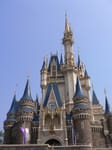
Tokyo Disneyland
The first Disney park outside the United States, opened in 1983 in Urayasu, just east of Tokyo.
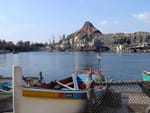
Tokyo DisneySea
A sea-themed Disney park next to Tokyo Disneyland in Urayasu, Chiba, with rides set around themed ports.
Day 5

Engaku-ji
Large Zen temple of 1282 on the wooded hill beside Kita-Kamakura Station, with a relic hall and fine autumn colours.

Kencho-ji
The oldest Zen training monastery in Japan, founded in 1253, first of Kamakura's Five Great Zen Temples, with a grand wooden gate.

Tsurugaoka Hachimangu
Kamakura's most important shrine, founded by the Minamoto shoguns, at the top of a long approach from the sea.

Komachi-dori
Busy lane of snack, sweet and souvenir shops running from Kamakura Station towards the shrine, good for lunch.

Hokokuji bamboo grove
Small Zen temple with a dense grove of tall moso bamboo; matcha is served in a tea house among the stems.
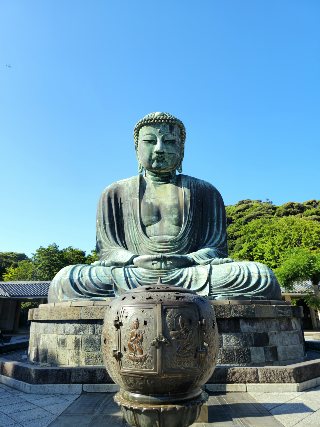
Great Buddha of Kamakura (Kotoku-in)
Bronze Buddha over 11 metres tall, cast in the thirteenth century and sitting in the open air since its hall was washed away.

Hase-dera
Hillside temple with a tall wooden statue of Kannon, a cave of small carvings and a terrace looking over the bay.
Day 6
Hakone Shrine
Shinto shrine among cedars on the shore of Lake Ashi, known for its red torii gate standing in the water.
Lake Ashi
Crater lake in Hakone with sightseeing boats shaped like pirate ships and views of Mount Fuji on clear days.
Ōwakudani
Volcanic valley with sulphur vents and steaming ground, famous for eggs boiled black in the hot springs; reached by ropeway.
Hakone Ropeway
Cable car running from Sounzan over the Owakudani volcanic valley to Lake Ashi, with steam vents and Fuji views.
Pola Museum of Art
Art museum in the forest at Sengokuhara, with a collection of Impressionist paintings and modern Japanese works.
Day 7
Fushimi Inari-taisha
The shrine of thousands of red torii gates winding up Mount Inari.
Kiyomizu-dera
A hillside temple with a wooden stage over the valley and views of the city.
Shimogamo Shrine
One of Kyoto's oldest shrines, set in the ancient Tadasu no Mori forest.
Kyoto Botanical Garden
Japan's oldest public botanical garden, beside the Kamo River.
Daisen-in
A sub-temple of Daitoku-ji with one of Japan's most famous dry landscape gardens.
Kinkaku-ji
The Golden Pavilion, a gold-leaf temple reflected in its pond.
Day 8
Nishiki Market
A narrow covered market street of food stalls known as 'Kyoto's kitchen'.
Kyoto Tower
The tower opposite Kyoto Station, with an observation deck over the city.
To-ji
A temple with Japan's tallest wooden pagoda and a big monthly flea market.
Katsura Imperial Villa
A 17th-century imperial villa and garden, a peak of Japanese design (reservation needed).
Arashiyama
A district in the western hills with the famous bamboo grove, Tenryū-ji and the river.
Day 9
Nijo Castle
The shoguns' palace with 'nightingale floors' that squeak to warn of intruders.
Kyoto City Zoo
A small zoo in the Okazaki park area near Heian Shrine.
Eikan-do Zenrin-ji
A hillside temple famous for its autumn leaves and the 'Buddha looking back'.
Ryozen Kannon
A huge concrete statue of the goddess of mercy, a war memorial near Kōdai-ji.

Maruyama Park
Wooded park at the foot of Mount Maruyama with Hokkaido Shrine, the zoo and cherry blossoms in early May.
Day 10
Kyoto National Museum
Japanese and Asian art, from Buddhist sculpture to ceramics, opposite Sanjūsangen-dō.
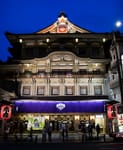
Minami-za
Japan's oldest kabuki theatre, by the Kamo River in Gion.
Philosopher's Walk
A canal-side path between Ginkaku-ji and Nanzen-ji, lined with cherry trees.
Shugakuin Imperial Villa
Terraced imperial gardens and tea houses at the foot of Mount Hiei (reservation needed).
Day 11
Kōfuku-ji
Chinese Zen temple founded in the 1620s by Chinese traders, one of the oldest Ōbaku temples in Japan, in the Teramachi area.
Isui-en
Japanese strolling garden with ponds, a teahouse and borrowed views of Tōdai-ji's gate and the hills beyond.
Tōdai-ji
Vast Buddhist temple whose Great Buddha Hall houses a bronze Buddha about 15 m high, entered through the Nandaimon gate.
Nara Park
Large park at the foot of Mount Wakakusa where hundreds of tame sika deer roam among temples and lawns.
Kasuga-taisha
Shinto shrine founded in 768, known for its vermilion buildings and thousands of stone and bronze lanterns along its paths.
Naramachi
Old merchant quarter south of Sarusawa Pond, with preserved wooden townhouses, small museums, cafes and craft shops.
Day 12
Osaka Castle
The city's landmark castle, founded by Toyotomi Hideyoshi; the rebuilt main tower holds a museum and a viewing deck.
Shinsekai
An old neighbourhood of kushikatsu stalls and neon signs around Tsutenkaku tower, south of Namba.
Nipponbashi
Osaka's electronics, anime and manga district along Sakaisuji Avenue, known as Den Den Town.
Amerikamura
A youth-culture district near Shinsaibashi of vintage clothes shops, cafés and street art, centred on Triangle Park.
Shinsaibashi
Osaka's main shopping district, with the covered Shinsaibashi-suji arcade running south to Dotonbori.
Umeda Sky Building
Two towers joined at the top by the Floating Garden Observatory, with an open-air deck 173 m above Umeda.
Day 13
Hiroshima Peace Memorial Park
Large park at the bomb's hypocentre, with the Peace Memorial Museum, cenotaph and eternal flame.
Hiroshima Peace Memorial Museum
The museum on the atomic bombing of 1945 and its victims, in the Peace Memorial Park; allow at least two hours.
Hiroshima Peace Memorial
The Atomic Bomb Dome, ruins of a 1915 exhibition hall left as they stood after 1945; a UNESCO World Heritage Site.
Day 14

Miyajima Ropeway
Cable car in two sections from Momijidani Park up the slopes of Mount Misen, with views of the Inland Sea islands.

Momijidani Park
Maple valley park at the foot of Mount Misen, with a stream, bridges and red leaves in autumn.

Daishō-in
Shingon Buddhist temple at the foot of Mount Misen, with hundreds of small statues, prayer wheels and a cave of lanterns.

Itsukushima Shrine and Great Torii
Shinto shrine of the 12th century built over the water, with its great vermilion torii standing in the bay.
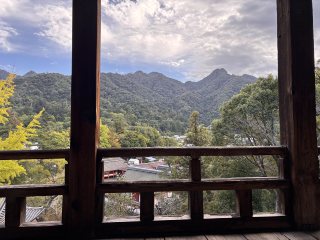
Senjōkaku (Toyokuni Shrine)
Huge unfinished wooden hall commissioned by Toyotomi Hideyoshi in 1587, next to a five-storied pagoda on a hill above the shrine.

Miyajima Ferry Pier
The ferry terminal on the island's north shore where boats from Miyajimaguchi and Hiroshima arrive; not a sight in itself.

Mount Misen
The island's sacred mountain, with temple halls, huge rocks and a summit view over the Seto Inland Sea.
Open this 14-day plan, freeChange this trip in the Trip BuilderChange it in the app
When to go to Japan
Spring (late March to early April, cherry blossom) and autumn (mid-November to early December in Kyoto, autumn leaves) are the most beautiful and the busiest times. June to mid-July is the rainy season, and July and August are hot and humid. Winter is cold but often clear, with fewer crowds; avoid Golden Week (late April to early May) if you can.
Plan the rest of your trip
- Where to stay: hotels in Japan on Booking.com or Trip.com
- Tours and day trips: things to do in Japan on Viator or on GetYourGuide
- Data on arrival: an eSIM for Japan from Airalo
Some of these are affiliate links: we may earn a small commission at no extra cost to you.
Tips for Japan
- A Japan Rail Pass pays off only with several long journeys since its price rose in October 2023: compare it with single tickets first.
- An IC card such as Suica, PASMO or ICOCA (a card or on your phone) pays for local trains, buses and many shops.
- Send big suitcases between hotels with a luggage delivery service; on the Tokyo–Osaka–Hiroshima Shinkansen, oversized bags need a reserved seat with luggage space.
- Carry some cash for small shops, temples and restaurants; ATMs in 7-Eleven stores take foreign cards.
- Every place here has its own ready-made guide with more days, if you want to stay longer in one place.
Make it your own
Open the guide in Andiamo Places to see every stop on a map with walking directions, move places between days, check opening hours for your dates, and add your own finds. After the trip, your photos become a journal and, if you like, a printed photo book.



Guides are made with the help of AI and public sources such as Wikipedia, and may contain errors. Opening hours and prices change, so check before you go. Spotted a wrong photo, a pin in the wrong place, a missing stop or a better one? Write to hello@andiamoplaces.com: the e-mail opens with this guide filled in.
Photo credits
- Amerikamura: BradBeattie at English Wikipedia, CC BY-SA 3.0
- Arashiyama: Chris Spackman / TakuyaMurata at en.wikipedia, CC BY-SA 3.0
- Daisen-in: No machine-readable author provided. Ivanoff~commonswiki assumed (based on copyright claims)., CC BY-SA 3.0
- Daishō-in: Sailko, CC BY 3.0
- Edo-Tokyo Museum: Wiiii, CC BY-SA 3.0
- Eikan-do Zenrin-ji: Tomomarusan, CC BY 2.5
- Engaku-ji: DimiTalen, CC0
- Fushimi Inari-taisha: Basile Morin, CC BY-SA 4.0
- Hakone Ropeway: っ, CC BY-SA 3.0
- Hakone Shrine: Aimaimyi, CC BY-SA 3.0
- Harajuku: Rs1421, CC BY-SA 3.0
- Hase-dera: 三人日, CC BY-SA 3.0
- Hiroshima Peace Memorial: Oilstreet, CC BY 2.5
- Hiroshima Peace Memorial Museum: Wiiii, CC BY-SA 3.0
- Hiroshima Peace Memorial Park: Balon Greyjoy, CC0
- Hokokuji bamboo grove: Nesnad, CC BY 4.0
- Isui-en: Kimon Berlin (Gribeco), CC BY-SA 4.0
- Itsukushima Shrine and Great Torii: redlegsfan21, CC BY-SA 2.0
- Kabuki-za: Kakidai, CC BY-SA 4.0
- Kabukicho, Tokyo: Basile Morin, CC BY-SA 4.0
- Kasuga-taisha: 663highland, CC BY 2.5
- Katsura Imperial Villa: KimonBerlin, CC BY-SA 2.0
- Kencho-ji: Wiiii, CC BY-SA 3.0
- Kinkaku-ji: Jaycangel, CC BY-SA 3.0
- Kiyomizu-dera: Jordy Meow, CC BY-SA 3.0
- Komachi-dori: Urashimataro, Public domain
- Kyoto Botanical Garden: KimonBerlin, CC BY-SA 2.0
- Kyoto City Zoo: Zz2, CC BY-SA 3.0
- Kyoto National Museum: Wiiii, CC BY-SA 3.0
- Kyoto Tower: Rwendland, CC BY-SA 4.0
- Kōfuku-ji: 663highland, CC BY-SA 4.0
- Lake Ashi: Kentagon, CC BY-SA 4.0
- Maruyama Park: 663highland, CC BY-SA 4.0
- Meiji Shrine: Tokuzo in Edomura, CC BY-SA 4.0
- Minami-za: MichaelMaggs, CC BY-SA 2.5
- Miyajima Ferry Pier: そらみみ, CC BY-SA 4.0
- Miyajima Ropeway: Clifford D, CC BY 2.0
- Momijidani Park: 耕太郎, CC BY-SA 4.0
- Mount Misen: As6022014, CC BY-SA 3.0
- Nara Park: Feri88, CC BY 3.0
- Naramachi: 663highland, CC BY 2.5
- National Museum of Nature and Science: 663highland, CC BY 2.5
- National Museum of Western Art: 663highland, CC BY-SA 4.0
- Nijo Castle: unknown author, Public domain
- Nipponbashi: Oilstreet, CC BY 2.5
- Nishiki Market: ellievanhoutte from Nishiki-ichiba, Kyoto, CC BY 2.0
- Osaka Castle: 663highland, CC BY 2.5
- Philosopher's Walk: David Monniaux, CC BY-SA 3.0
- Pola Museum of Art: 663highland, CC BY 2.5
- Rainbow Bridge: Gussisaurio, CC BY-SA 3.0
- Roppongi: Manone, Public domain
- Roppongi Hills: Shampoorobot at Japanese Wikipedia aka ja:User:A16504601, CC BY-SA 3.0
- Ryozen Kannon: AstroMark ( talk ), CC BY-SA 3.0
- Senso-ji: jreysp, CC BY-SA 4.0
- Shimogamo Shrine: Mochi at Japanese Wikipedia, CC BY-SA 3.0
- Shinjuku Golden Gai: urbz, CC BY 2.0
- Shinjuku Gyoen: Kakidai, CC BY-SA 3.0
- Shinsaibashi: Oilstreet, CC BY 2.5
- Shinsekai: MShades from Osaka, CC BY 2.0
- Shugakuin Imperial Villa: Daderot, CC BY-SA 3.0
- Takeshita Street: Intforce, CC BY-SA 4.0
- The National Art Center, Tokyo: Wiiii, CC BY-SA 3.0
- To-ji: Kakidai, CC BY-SA 4.0
- Tokyo DisneySea: Chuck from San Francisco, CA, CC BY-SA 2.0
- Tokyo Disneyland: User:ARICAD, CC BY-SA 3.0
- Tokyo Imperial Palace: Kakidai, CC BY-SA 3.0
- Tokyo Metropolitan Government Building: Kakidai, CC BY-SA 3.0
- Tokyo National Museum: Wiiii, CC BY-SA 3.0
- Tokyo Skytree: Kakidai, CC BY-SA 4.0
- Tokyo Tower: 東京太郎, CC BY-SA 3.0
- Tsurugaoka Hachimangu: Ocdp, CC0
- Tōdai-ji: Wiiii, CC BY-SA 3.0
- Umeda Sky Building: Kakidai, CC BY-SA 4.0
- Yasukuni Shrine: Wiiii, CC BY-SA 3.0
- Ōwakudani: Ajay Suresh from New York, NY, USA, CC BY 2.0
Opening hours change; check before you go. Map data © OpenStreetMap contributors.