 Andiamo Places

Brazil itinerary: 7 or 10 days
Brazil in 7 or 9 days: Rio de Janeiro's beaches, Sugarloaf and Christ the Redeemer, then São Paulo's museums, markets and food. Every day comes from our checked city guides, with the journey between them.
How long do you have?
Map: 10 days
Brazil in 7 days
Day 1
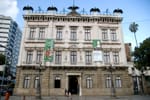
Catete Palace
The former presidential palace, seat of government until 1960, now the Museum of the Republic with gardens open to the public.
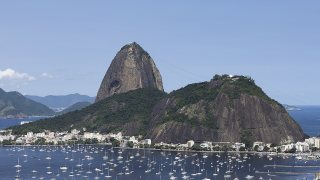
Sugarloaf Mountain
The granite peak at the mouth of Guanabara Bay, reached by two cable cars, with views of the bay and beaches.
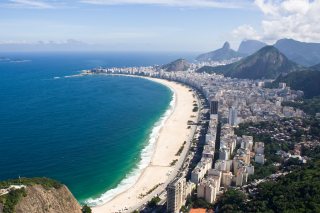
Copacabana, Rio de Janeiro
The neighbourhood behind the famous 4-km beach, with its wave-patterned promenade by Roberto Burle Marx.
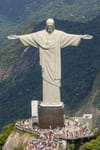
Christ the Redeemer
The 30-metre Art Deco statue of Christ on top of Corcovado, reached by cog train or van, with views over the whole city.
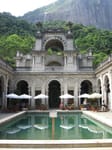
Parque Lage
A park at the foot of Corcovado with a 1920s mansion, now an art school, whose courtyard café sits beneath the Christ statue.
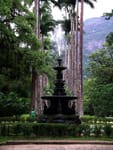
Rio de Janeiro Botanical Garden
A botanical garden founded in 1808, famous for its avenue of royal palms and its collections of tropical plants.
Day 2
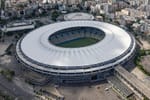
Maracanã Stadium
Brazil's most famous football stadium, built for the 1950 World Cup, with guided tours of the stands and dressing rooms.
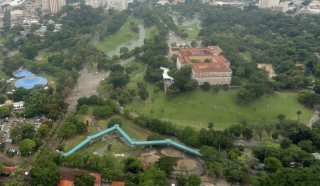
Quinta da Boa Vista
Historic estate with an orchid garden and nursery on the hillside overlooking Funchal.
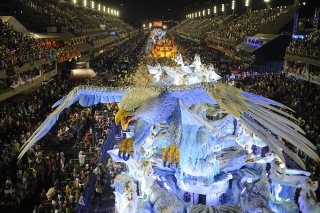
Sambadrome Marquês de Sapucaí
The parade avenue designed by Oscar Niemeyer where the samba schools compete during Carnival.
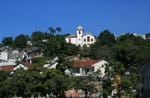
Santa Teresa, Rio de Janeiro
A hilltop neighbourhood of old mansions, artists' studios and cobbled streets, served by a historic tram.
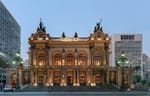
Theatro Municipal
Opera house of 1911 in Praça Ramos de Azevedo, a lavishly decorated theatre that stages opera, concerts and ballet.
Day 3
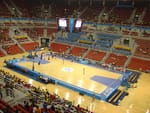
Farmasi Arena
The indoor arena in Barra da Tijuca built for the 2007 Pan American Games, used for concerts and sport.

CasaShopping
A shopping centre in Barra da Tijuca specialising in furniture, interior design and home decoration.
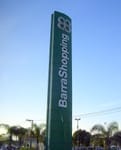
Barra Shopping
One of Brazil's largest shopping centres, opened in 1981 in Barra da Tijuca, the city's modern western district.
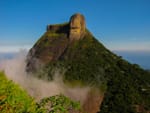
Pedra da Gávea
A granite mountain of 844 m in the Tijuca Forest, a demanding hike with a rock scramble and views of the coast.
Day 4
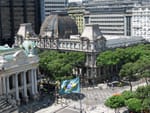
Museu Nacional de Belas Artes
The national fine arts museum on Avenida Rio Branco, with Brazilian painting from the 19th and 20th centuries.
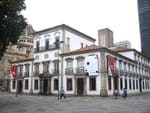
Paço Imperial
The colonial palace on Praça XV that housed the Portuguese and Brazilian royal court, now a cultural centre.

Cidade do Samba
A complex in Gamboa where the top samba schools build their floats and costumes for the Carnival parades.
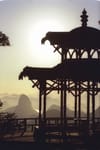
Vista Chinesa
A Chinese-style pavilion viewpoint in the Tijuca Forest, looking over the lagoon, the Botanical Garden and Sugarloaf.
Day 5

Iguaçu National Park walkway (Brazil)
Walkway along the Brazilian side of the falls with the widest panorama, ending on a platform in the spray below Devil's Throat.

Parque das Aves
Bird park beside the national park entrance, with walk-through aviaries of toucans, macaws and other Atlantic Forest birds.

Itaipu Dam
One of the world's largest hydroelectric dams, on the Paraná River border with Paraguay, seen on guided panoramic and technical tours.
Day 6

Devil's Throat (Argentina)
A long walkway over the upper Iguazú River to the edge of the Devil's Throat, the largest and loudest drop of the falls.

Upper Circuit (Argentina)
Level walkway along the top of the Argentine falls, looking straight down where the water pours over the edge.

Lower Circuit (Argentina)
Trail and walkways below the Argentine falls, with close views of the cascades, more steps and plenty of spray.
Day 7
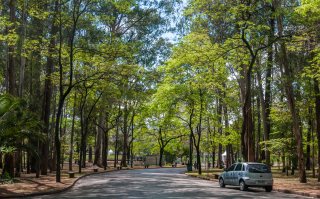
Ibirapuera Park
The city's main park, with lakes, trails, a Niemeyer-designed auditorium, several museums and the Bienal pavilion.

Avenida Paulista
Main avenue of the financial centre, lined with skyscrapers, cultural centres, MASP and cafes, and closed to cars on Sundays.
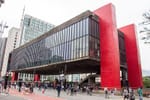
São Paulo Museum of Art
MASP, the Lina Bo Bardi building raised on red pillars on Paulista Avenue, with a European and Brazilian art collection.
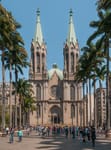
São Paulo Cathedral
Neo-Gothic cathedral with a large dome and twin spires on Praça da Sé, one of the largest in Brazil.

Mercado Municipal de São Paulo
Large covered market of the 1930s with stained-glass windows, fruit and cheese stalls and the well-known mortadella sandwich.
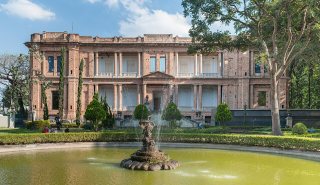
Pinacoteca do Estado de São Paulo
The state art museum in a brick building near Luz Station, with Brazilian art from the 19th century to the present.
Open this 7-day plan, freeChange this trip in the Trip BuilderChange it in the app
Brazil in 10 days
Day 1
Catete Palace
The former presidential palace, seat of government until 1960, now the Museum of the Republic with gardens open to the public.
Sugarloaf Mountain
The granite peak at the mouth of Guanabara Bay, reached by two cable cars, with views of the bay and beaches.
Copacabana, Rio de Janeiro
The neighbourhood behind the famous 4-km beach, with its wave-patterned promenade by Roberto Burle Marx.
Christ the Redeemer
The 30-metre Art Deco statue of Christ on top of Corcovado, reached by cog train or van, with views over the whole city.
Parque Lage
A park at the foot of Corcovado with a 1920s mansion, now an art school, whose courtyard café sits beneath the Christ statue.
Rio de Janeiro Botanical Garden
A botanical garden founded in 1808, famous for its avenue of royal palms and its collections of tropical plants.
Day 2
Maracanã Stadium
Brazil's most famous football stadium, built for the 1950 World Cup, with guided tours of the stands and dressing rooms.
Quinta da Boa Vista
Historic estate with an orchid garden and nursery on the hillside overlooking Funchal.
Sambadrome Marquês de Sapucaí
The parade avenue designed by Oscar Niemeyer where the samba schools compete during Carnival.
Santa Teresa, Rio de Janeiro
A hilltop neighbourhood of old mansions, artists' studios and cobbled streets, served by a historic tram.
Theatro Municipal
Opera house of 1911 in Praça Ramos de Azevedo, a lavishly decorated theatre that stages opera, concerts and ballet.
Day 3
Farmasi Arena
The indoor arena in Barra da Tijuca built for the 2007 Pan American Games, used for concerts and sport.
CasaShopping
A shopping centre in Barra da Tijuca specialising in furniture, interior design and home decoration.
Barra Shopping
One of Brazil's largest shopping centres, opened in 1981 in Barra da Tijuca, the city's modern western district.
Pedra da Gávea
A granite mountain of 844 m in the Tijuca Forest, a demanding hike with a rock scramble and views of the coast.
Day 4
Museu Nacional de Belas Artes
The national fine arts museum on Avenida Rio Branco, with Brazilian painting from the 19th and 20th centuries.
Paço Imperial
The colonial palace on Praça XV that housed the Portuguese and Brazilian royal court, now a cultural centre.
Cidade do Samba
A complex in Gamboa where the top samba schools build their floats and costumes for the Carnival parades.
Vista Chinesa
A Chinese-style pavilion viewpoint in the Tijuca Forest, looking over the lagoon, the Botanical Garden and Sugarloaf.
Day 5
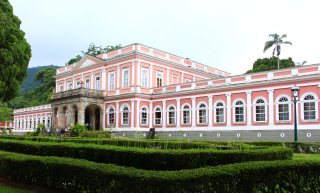
Imperial Museum of Brazil
The summer palace of Emperor Pedro II in Petrópolis, now a museum with the imperial crown and royal furnishings.
Palácio Quitandinha
A vast former luxury casino hotel of the 1940s in Petrópolis, with grand halls open to visitors.
Paquetá, Rio de Janeiro
A car-free island in Guanabara Bay, reached by ferry from Praça XV, with quiet beaches and colonial houses.
Day 6
Iguaçu National Park walkway (Brazil)
Walkway along the Brazilian side of the falls with the widest panorama, ending on a platform in the spray below Devil's Throat.
Parque das Aves
Bird park beside the national park entrance, with walk-through aviaries of toucans, macaws and other Atlantic Forest birds.
Itaipu Dam
One of the world's largest hydroelectric dams, on the Paraná River border with Paraguay, seen on guided panoramic and technical tours.
Day 7
Devil's Throat (Argentina)
A long walkway over the upper Iguazú River to the edge of the Devil's Throat, the largest and loudest drop of the falls.
Upper Circuit (Argentina)
Level walkway along the top of the Argentine falls, looking straight down where the water pours over the edge.
Lower Circuit (Argentina)
Trail and walkways below the Argentine falls, with close views of the cascades, more steps and plenty of spray.
Day 8
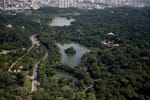
São Paulo Zoo
Large zoo in the south of the city with animals from Brazil and the world, set in the Atlantic Forest.
Avenida Paulista
Main avenue of the financial centre, lined with skyscrapers, cultural centres, MASP and cafes, and closed to cars on Sundays.
São Paulo Cathedral
Neo-Gothic cathedral with a large dome and twin spires on Praça da Sé, one of the largest in Brazil.
Mercado Municipal de São Paulo
Large covered market of the 1930s with stained-glass windows, fruit and cheese stalls and the well-known mortadella sandwich.
Pinacoteca do Estado de São Paulo
The state art museum in a brick building near Luz Station, with Brazilian art from the 19th century to the present.
Theatro Municipal
Opera house of 1911 in Praça Ramos de Azevedo, a lavishly decorated theatre that stages opera, concerts and ballet.
Day 9
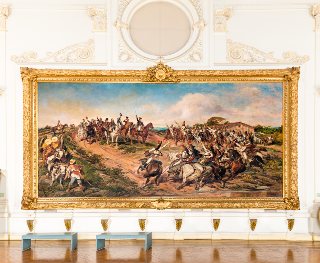
Museu Paulista
The Ipiranga Museum, a grand 19th-century palace on the site of Brazil's independence declaration, with historical paintings and objects.
São Paulo Museum of Art
MASP, the Lina Bo Bardi building raised on red pillars on Paulista Avenue, with a European and Brazilian art collection.
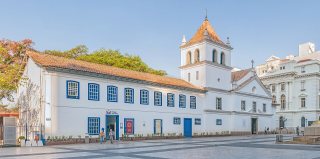
Pátio do Colégio
Reconstruction of the Jesuit college where São Paulo was founded in 1554, with a church and a museum.
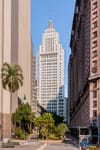
Altino Arantes Building
Skyscraper of 1947 modelled on the Empire State Building, with an observation deck over the centre of the city.
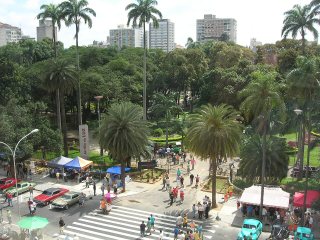
Jardim da Luz
The city's oldest public park, of 1825, with sculptures, ponds and paths next to Luz Station.
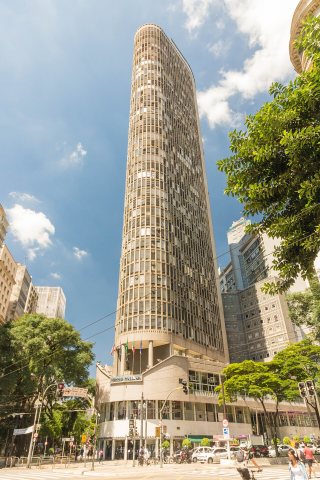
Edifício Itália
Tall 1965 skyscraper in the centre with a restaurant and bar on the top floor and views across the city.
Day 10
Museum of the Portuguese Language
Interactive museum inside Luz Station about the history and use of the Portuguese language.
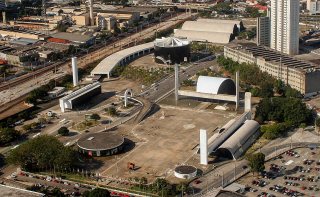
Latin America Memorial
Cultural complex designed by Oscar Niemeyer in Barra Funda, with a large open plaza, an auditorium and a library.
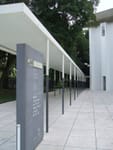
São Paulo Museum of Image and Sound
Museum of photography, film, design and music on Europa Avenue, with changing exhibitions and public events.
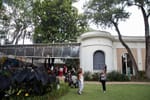
Ema Gordon Klabin Cultural Foundation
House museum in the Jardins with the collection of Ema Klabin, covering antiquities, European paintings and Brazilian art.
Ibirapuera Park
The city's main park, with lakes, trails, a Niemeyer-designed auditorium, several museums and the Bienal pavilion.
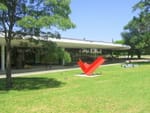
São Paulo Museum of Modern Art
Modern art museum in Ibirapuera Park with Brazilian and international works and a sculpture garden.
Open this 10-day plan, freeChange this trip in the Trip BuilderChange it in the app
When to go to Brazil
Rio is warm all year; December to March is hot and humid with summer storms, and Carnival falls in February or early March. April to June and August to October are pleasant and less crowded. São Paulo is mild, with rain mostly in the summer months.
Plan the rest of your trip
- Where to stay: hotels in Brazil on Booking.com or Trip.com
- Skip-the-line tickets: museums and sights in Brazil on Tiqets
- Tours and day trips: things to do in Brazil on GetYourGuide or on Viator
- Data on arrival: an eSIM for Brazil from Airalo
Some of these are affiliate links: we may earn a small commission at no extra cost to you.
Tips for Brazil
- Carry little and keep phones out of sight on the street and the beach; take ride-hailing cars at night.
- Go up to Christ the Redeemer and Sugarloaf early on a clear day — clouds often cover the tops later.
- Prices are in reais; cards are accepted almost everywhere.
- Entry rules depend on your passport — check the current rules before you travel.
- Every place here has its own ready-made guide with more days, if you want to stay longer in one place.
Make it your own
Open the guide in Andiamo Places to see every stop on a map with walking directions, move places between days, check opening hours for your dates, and add your own finds. After the trip, your photos become a journal and, if you like, a printed photo book.



Guides are made with the help of AI and public sources such as Wikipedia, and may contain errors. Opening hours and prices change, so check before you go. Spotted a wrong photo, a pin in the wrong place, a missing stop or a better one? Write to hello@andiamoplaces.com: the e-mail opens with this guide filled in.
Photo credits
- Altino Arantes Building: Dornicke, Public domain
- Avenida Paulista: ProtoplasmaKid, CC BY-SA 4.0
- Barra Shopping: Arthur Jacob, CC BY-SA 3.0
- CasaShopping: Creator:Bruno Marcolini, CC BY 3.0
- Catete Palace: Ministério da Cultura, CC BY 2.0
- Christ the Redeemer: Arne Müseler, CC BY-SA 3.0 de
- Cidade do Samba: Erik Ogan from San Francisco, CA, USA, CC BY-SA 2.0
- Copacabana, Rio de Janeiro: [www.flickr.com/photos/26912057@N02/ bisonlux], CC BY 2.0
- Devil's Throat (Argentina): Juan from Buenos Aires, Argentina, CC BY 2.0
- Edifício Itália: Paul R. Burley, CC BY-SA 4.0
- Ema Gordon Klabin Cultural Foundation: Governo do Estado de São Paulo, CC BY 2.0
- Farmasi Arena: *drowned* at English Wikipedia, CC BY-SA 3.0
- Ibirapuera Park: Wilfredor, CC0
- Iguaçu National Park walkway (Brazil): Enaldo Valadares, CC BY-SA 3.0
- Imperial Museum of Brazil: Filipo Tardim, CC BY-SA 4.0
- Itaipu Dam: Jonas de Carvalho, CC BY-SA 2.0
- Jardim da Luz: Picture taken by pt:Usuário:Gabrielt4e /Foto tirada por pt:Usuário:Gabrielt4e, CC BY-SA 3.0
- Latin America Memorial: Ana Paula Hirama, CC BY-SA 2.0
- Lower Circuit (Argentina): ogwen, CC BY-SA 3.0
- Maracanã Stadium: Arne Müseler, CC BY-SA 3.0 de
- Mercado Municipal de São Paulo: Webysther, CC BY-SA 4.0
- Museu Nacional de Belas Artes: Halley Pacheco de Oliveira, CC BY-SA 3.0
- Museu Paulista: Pedro Américo, Public domain
- Museum of the Portuguese Language: Thipotato, CC BY-SA 4.0
- Palácio Quitandinha: Rodrigo Soldon from Rio de Janeiro, Brazil, CC BY 2.0
- Paquetá, Rio de Janeiro: VinyNeto, CC BY-SA 3.0
- Parque Lage: Matthew Levine [2], CC BY 2.0
- Parque das Aves: Jorge Andrade from Rio de Janeiro, Brazil, CC BY 2.0
- Paço Imperial: Fulviusbsas, Public domain
- Pedra da Gávea: KarlaFPaiva, CC BY-SA 3.0
- Pinacoteca do Estado de São Paulo: Wilfredor, CC BY-SA 4.0
- Pátio do Colégio: Wilfredor, CC0
- Quinta da Boa Vista: Agencia CNT de Noticias, CC BY 2.0
- Rio de Janeiro Botanical Garden: tsc_traveler [2], CC BY 2.0
- Sambadrome Marquês de Sapucaí: Fernando Frazão/Agência Brasil, CC BY 3.0 br
- Santa Teresa, Rio de Janeiro: Halley Pacheco de Oliveira, CC BY-SA 3.0
- Sugarloaf Mountain: Arne Müseler, CC BY-SA 3.0 de
- São Paulo Cathedral: Wilfredor, CC0
- São Paulo Museum of Art: Photograph by Mike Peel ( www.mikepeel.net )., CC BY-SA 4.0
- São Paulo Museum of Image and Sound: Dornicke, CC BY-SA 3.0
- São Paulo Museum of Modern Art: Dornicke (2008), Public domain
- São Paulo Zoo: Governo do Estado de São Paulo, CC BY 2.0
- Theatro Municipal: Wilfredor, CC0
- Upper Circuit (Argentina): Michal Gorski, CC BY-SA 3.0
- Vista Chinesa: Rafaeloliveira, Public domain
Opening hours change; check before you go. Map data © OpenStreetMap contributors.