 Andiamo Places

Azores itinerary: 7, 10 or 14 days
The Azores in 7, 10 or 14 days: the crater lakes, hot springs and tea fields of São Miguel, the UNESCO town of Angra do Heroísmo on Terceira, the volcano and black-stone vineyards of Pico, and the sailors' harbour of Horta on Faial. The 14-day plan starts with a day in Lisbon, where most flights connect. Every day comes from our checked island guides, with the flights and ferries between them.
How long do you have?
Map: 14 days
Azores in 7 days
Day 1

Vista do Rei viewpoint (Sete Cidades) Must see
Classic viewpoint over the green and blue twin lakes of Sete Cidades inside a huge volcanic crater.

Boca do Inferno viewpoint
Short walk to a ridge viewpoint over the Sete Cidades crater, its lakes and the sea, among the island's widest views.
Mosteiros
A fishing village at the island's western tip, with a black-sand beach, rock pools and sea stacks just offshore; one of the best places on São Miguel to watch the sunset.

Ponta da Ferraria
Lava coast at the western tip where a hot spring warms a rocky ocean pool, with a spa and sunset views.

Ponta Delgada city gates
The three white arches of the Portas da Cidade on the waterfront square of Ponta Delgada, the island's capital.
Day 2

Lagoa do Fogo
A wild crater lake high in the island's centre, ringed by green slopes and beaches, with a viewpoint and a trail down.
Caldeira Velha
A small nature reserve in a fern-filled valley below Lagoa do Fogo, where a warm iron-rich waterfall falls into a bathing pool; arrive early, as entry is limited.

Gorreana Tea Plantation
Europe's oldest working tea plantation, on the north coast, with free tastings, the old factory and walks between the bushes.
Day 3
Pico do Ferro viewpoint
A viewpoint on the rim of the Furnas crater, looking down over Furnas Lake and the village; the best first look at the valley before you drive down.

Furnas Lake fumaroles Must see
Boiling springs and steaming vents on the shore of Lake Furnas, where cozido pots are buried in the hot ground.

Terra Nostra Park Must see
Historic botanical garden in Furnas with a big warm orange thermal pool, giant ferns and camellias.

Poça da Dona Beija
Small, stone-lined thermal pools under ferns in Furnas, warm and open into the evening, lovely after dark.
Day 4
Salto do Prego
A waterfall in a green valley above the village of Faial da Terra, reached on a marked trail of about two and a half hours there and back, past the restored hamlet of Sanguinho.
Ponta do Sossego viewpoint
A garden viewpoint on the cliffs of the northeast coast, with flower beds, picnic tables and wide views over the sea.
Ribeira dos Caldeirões Natural Park
A small park in the northeast around a tall waterfall, with old restored watermills and lush ferns and hydrangeas along the stream.
Day 5
Whale watching from Ponta Delgada
Boat trips from the marina, guided by lookouts on the coast; sperm whales and dolphins are seen all year, blue and fin whales pass mainly in spring. Best from April to October; book ahead.
Arruda pineapple plantation
Glasshouses on the edge of Ponta Delgada where Azorean pineapples are still grown the traditional way, ripening slowly for about two years; free to visit, with a shop for pineapple liqueur and jam.
Fort of São Brás (Military Museum)
A 16th-century fort on Ponta Delgada's waterfront, built against pirates, now a military museum with weapons, uniforms and views from the walls.
Church of São Sebastião
Ponta Delgada's main church, from the 16th century, with a Manueline doorway in grey basalt and white stone and gilded wooden altars inside.
Day 6

Angra do Heroísmo Museum
The island's history museum in the former Convent of São Francisco, with carriages, weapons, furniture and paintings, in Angra's UNESCO-listed centre.

Angra Cathedral
The Sé, a 16th-century cathedral and the largest church in the Azores, with twin towers and a carved wooden ceiling.

Duke of Terceira Garden
Romantic-era garden in the centre of Angra, with terraces of exotic trees climbing to the Alto da Memória obelisk and its view.

Monte Brasil
The old volcano that shelters Angra's bay, a forest park with picnic areas and viewpoints over the city and the sea.
Day 7

Serra de Santa Bárbara
Terceira's highest point at 1,021 m, reached by road, with views over the whole island on a clear day.

Furnas do Enxofre
A field of steaming sulphur vents in the island's centre, seen from a short boardwalk loop among moss and heather.

Biscoitos Wine Museum
Small family wine museum in Biscoitos about the Verdelho wine grown between black lava walls, with old tools and a tasting.

Gruta do Natal
A lava tube about 700 m long beside the Lagoa do Negro, walked with a helmet along a marked route.

Biscoitos natural pools
Sea pools among black lava rocks on the north coast, with ladders, sunbathing platforms and clear water for swimming in summer.
Open this 7-day plan, freeChange this trip in the Trip BuilderChange it in the app
Azores in 10 days
Day 1
Vista do Rei viewpoint (Sete Cidades) Must see
Classic viewpoint over the green and blue twin lakes of Sete Cidades inside a huge volcanic crater.
Boca do Inferno viewpoint
Short walk to a ridge viewpoint over the Sete Cidades crater, its lakes and the sea, among the island's widest views.
Mosteiros
A fishing village at the island's western tip, with a black-sand beach, rock pools and sea stacks just offshore; one of the best places on São Miguel to watch the sunset.
Ponta da Ferraria
Lava coast at the western tip where a hot spring warms a rocky ocean pool, with a spa and sunset views.
Ponta Delgada city gates
The three white arches of the Portas da Cidade on the waterfront square of Ponta Delgada, the island's capital.
Day 2
Lagoa do Fogo
A wild crater lake high in the island's centre, ringed by green slopes and beaches, with a viewpoint and a trail down.
Caldeira Velha
A small nature reserve in a fern-filled valley below Lagoa do Fogo, where a warm iron-rich waterfall falls into a bathing pool; arrive early, as entry is limited.
Gorreana Tea Plantation
Europe's oldest working tea plantation, on the north coast, with free tastings, the old factory and walks between the bushes.
Day 3
Pico do Ferro viewpoint
A viewpoint on the rim of the Furnas crater, looking down over Furnas Lake and the village; the best first look at the valley before you drive down.
Furnas Lake fumaroles Must see
Boiling springs and steaming vents on the shore of Lake Furnas, where cozido pots are buried in the hot ground.
Terra Nostra Park Must see
Historic botanical garden in Furnas with a big warm orange thermal pool, giant ferns and camellias.
Poça da Dona Beija
Small, stone-lined thermal pools under ferns in Furnas, warm and open into the evening, lovely after dark.
Day 4
Salto do Prego
A waterfall in a green valley above the village of Faial da Terra, reached on a marked trail of about two and a half hours there and back, past the restored hamlet of Sanguinho.
Ponta do Sossego viewpoint
A garden viewpoint on the cliffs of the northeast coast, with flower beds, picnic tables and wide views over the sea.
Ribeira dos Caldeirões Natural Park
A small park in the northeast around a tall waterfall, with old restored watermills and lush ferns and hydrangeas along the stream.
Day 5
Angra do Heroísmo Museum
The island's history museum in the former Convent of São Francisco, with carriages, weapons, furniture and paintings, in Angra's UNESCO-listed centre.
Angra Cathedral
The Sé, a 16th-century cathedral and the largest church in the Azores, with twin towers and a carved wooden ceiling.
Duke of Terceira Garden
Romantic-era garden in the centre of Angra, with terraces of exotic trees climbing to the Alto da Memória obelisk and its view.
Monte Brasil
The old volcano that shelters Angra's bay, a forest park with picnic areas and viewpoints over the city and the sea.
Day 6
Serra de Santa Bárbara
Terceira's highest point at 1,021 m, reached by road, with views over the whole island on a clear day.
Furnas do Enxofre
A field of steaming sulphur vents in the island's centre, seen from a short boardwalk loop among moss and heather.
Biscoitos Wine Museum
Small family wine museum in Biscoitos about the Verdelho wine grown between black lava walls, with old tools and a tasting.
Gruta do Natal
A lava tube about 700 m long beside the Lagoa do Negro, walked with a helmet along a marked route.
Biscoitos natural pools
Sea pools among black lava rocks on the north coast, with ladders, sunbathing platforms and clear water for swimming in summer.
Day 7

Gruta das Torres
Portugal's longest lava tube, about 5 km, seen on a guided walk with helmet and lamp past lava stalactites and ropy floors.

Criação Velha vineyards and Moinho do Frade
UNESCO-listed vineyards of tiny black basalt enclosures beside the sea, with a red windmill to climb for the view.
Pico Wine Museum
Museum in a former Carmelite convent in Madalena, with old presses, stills, a vineyard and a grove of centuries-old dragon trees.

Cella Bar
A bar on the rocks at Madalena in an award-winning wooden building, with a terrace for sunset over Faial.
Day 8

Whale watching from Lajes do Pico
Boat trips of about three hours from the old whaling town, looking for sperm whales and dolphins with spotters on shore.

Whalers' Museum, Lajes do Pico
Museum in three old boathouses on the harbour, with a whaleboat, harpoons, scrimshaw and films of the hunts.

Lagoa do Capitão
A small lake on the island's high plateau among pastures and junipers, with Mount Pico reflected on still days.

Whaling Industry Museum, São Roque
The former whale-processing factory on the quay at São Roque, with its boilers, furnaces and machinery left in place.

Lajido de Santa Luzia
A village of black lava houses with red doors in the UNESCO vineyard area, with old cellars and cart ruts in the rock.
Day 9

Horta Marina
The Atlantic's best-known yacht harbour, its walls and quays covered with paintings left by crossing crews for good luck.

Horta Museum
Town museum in the former Jesuit college, with local history and delicate miniatures carved from the white pith of fig trees.

Peter Café Sport
The sailors' bar on the waterfront, open since 1918 and known for its gin and tonic, with a scrimshaw museum upstairs.

Porto Pim Whale Factory Museum
A 1940s whale-processing factory on Porto Pim bay, with its boilers and machinery kept in place and exhibits on whales.

Monte da Guia
Volcanic cone south of Horta with a small chapel on top, looking over Porto Pim bay, the town and Pico.

Porto Pim beach
A sheltered curve of pale sand in a calm bay below Monte da Guia, good for swimming, a few minutes from Horta.
Day 10
Espalamaca viewpoint
Viewpoint with a tall cross above Horta, looking over the town and harbour to Pico, São Jorge and Graciosa on clear days.

Caldeira do Faial
The island's central crater, 2 km wide and 400 m deep, green with native forest, seen from a viewpoint through a short tunnel.

Capelinhos Volcano Interpretation Centre
Underground centre beside the half-buried lighthouse, about the 1957-58 eruption that added new land of grey ash to the island.
Varadouro natural pools
Sea pools among black lava rocks on the sunny south-west coast, with ladders, a children's pool and a cafe in summer.
Faial Botanic Garden
A compact garden in Flamengos of plants native to the Azores, with an orchid collection and a short film.

Praia do Almoxarife
A long beach of black sand north of Horta, with a village church behind and Mount Pico straight across the channel.
Open this 10-day plan, freeChange this trip in the Trip BuilderChange it in the app
Azores in 14 days
Day 1
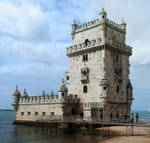
Belém Tower Must see
A 16th-century fortress on the Tagus, symbol of Portugal's Age of Discovery.

Monument of the Discoveries
A stone caravel-shaped monument on the Tagus at Belém honouring Henry the Navigator and the Age of Discovery, with a lift to a viewing platform.
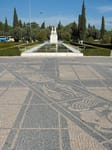
Jerónimos Monastery Must see
A masterpiece of Manueline architecture in Belém and the tomb of Vasco da Gama.
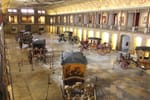
National Coach Museum
Royal and ceremonial coaches from the 16th to the 19th century, in Belém.
Day 2
Vista do Rei viewpoint (Sete Cidades) Must see
Classic viewpoint over the green and blue twin lakes of Sete Cidades inside a huge volcanic crater.
Boca do Inferno viewpoint
Short walk to a ridge viewpoint over the Sete Cidades crater, its lakes and the sea, among the island's widest views.
Mosteiros
A fishing village at the island's western tip, with a black-sand beach, rock pools and sea stacks just offshore; one of the best places on São Miguel to watch the sunset.
Ponta da Ferraria
Lava coast at the western tip where a hot spring warms a rocky ocean pool, with a spa and sunset views.
Ponta Delgada city gates
The three white arches of the Portas da Cidade on the waterfront square of Ponta Delgada, the island's capital.
Day 3
Lagoa do Fogo
A wild crater lake high in the island's centre, ringed by green slopes and beaches, with a viewpoint and a trail down.
Caldeira Velha
A small nature reserve in a fern-filled valley below Lagoa do Fogo, where a warm iron-rich waterfall falls into a bathing pool; arrive early, as entry is limited.
Gorreana Tea Plantation
Europe's oldest working tea plantation, on the north coast, with free tastings, the old factory and walks between the bushes.
Day 4
Pico do Ferro viewpoint
A viewpoint on the rim of the Furnas crater, looking down over Furnas Lake and the village; the best first look at the valley before you drive down.
Furnas Lake fumaroles Must see
Boiling springs and steaming vents on the shore of Lake Furnas, where cozido pots are buried in the hot ground.
Terra Nostra Park Must see
Historic botanical garden in Furnas with a big warm orange thermal pool, giant ferns and camellias.
Poça da Dona Beija
Small, stone-lined thermal pools under ferns in Furnas, warm and open into the evening, lovely after dark.
Day 5
Salto do Prego
A waterfall in a green valley above the village of Faial da Terra, reached on a marked trail of about two and a half hours there and back, past the restored hamlet of Sanguinho.
Ponta do Sossego viewpoint
A garden viewpoint on the cliffs of the northeast coast, with flower beds, picnic tables and wide views over the sea.
Ribeira dos Caldeirões Natural Park
A small park in the northeast around a tall waterfall, with old restored watermills and lush ferns and hydrangeas along the stream.
Day 6
Whale watching from Ponta Delgada
Boat trips from the marina, guided by lookouts on the coast; sperm whales and dolphins are seen all year, blue and fin whales pass mainly in spring. Best from April to October; book ahead.
Arruda pineapple plantation
Glasshouses on the edge of Ponta Delgada where Azorean pineapples are still grown the traditional way, ripening slowly for about two years; free to visit, with a shop for pineapple liqueur and jam.
Fort of São Brás (Military Museum)
A 16th-century fort on Ponta Delgada's waterfront, built against pirates, now a military museum with weapons, uniforms and views from the walls.
Church of São Sebastião
Ponta Delgada's main church, from the 16th century, with a Manueline doorway in grey basalt and white stone and gilded wooden altars inside.
Day 7
Angra do Heroísmo Museum
The island's history museum in the former Convent of São Francisco, with carriages, weapons, furniture and paintings, in Angra's UNESCO-listed centre.
Angra Cathedral
The Sé, a 16th-century cathedral and the largest church in the Azores, with twin towers and a carved wooden ceiling.
Duke of Terceira Garden
Romantic-era garden in the centre of Angra, with terraces of exotic trees climbing to the Alto da Memória obelisk and its view.
Monte Brasil
The old volcano that shelters Angra's bay, a forest park with picnic areas and viewpoints over the city and the sea.
Day 8
Serra de Santa Bárbara
Terceira's highest point at 1,021 m, reached by road, with views over the whole island on a clear day.
Furnas do Enxofre
A field of steaming sulphur vents in the island's centre, seen from a short boardwalk loop among moss and heather.
Biscoitos Wine Museum
Small family wine museum in Biscoitos about the Verdelho wine grown between black lava walls, with old tools and a tasting.
Gruta do Natal
A lava tube about 700 m long beside the Lagoa do Negro, walked with a helmet along a marked route.
Biscoitos natural pools
Sea pools among black lava rocks on the north coast, with ladders, sunbathing platforms and clear water for swimming in summer.
Day 9

Fortress of São João Baptista
A huge fortress begun under Spanish rule in the 1590s at the foot of Monte Brasil, still used by the Portuguese army.

Miradouro do Facho, Praia da Vitória
Hilltop viewpoint with a tall statue of the Virgin above Praia da Vitória, looking over its bay, marina and long sandy beach.

Ponta das Contendas
The island's south-east tip, with a lighthouse above cliffs, small islets and a protected stretch of rocky coast.
Day 10
Gruta das Torres
Portugal's longest lava tube, about 5 km, seen on a guided walk with helmet and lamp past lava stalactites and ropy floors.
Criação Velha vineyards and Moinho do Frade
UNESCO-listed vineyards of tiny black basalt enclosures beside the sea, with a red windmill to climb for the view.
Pico Wine Museum
Museum in a former Carmelite convent in Madalena, with old presses, stills, a vineyard and a grove of centuries-old dragon trees.
Cella Bar
A bar on the rocks at Madalena in an award-winning wooden building, with a terrace for sunset over Faial.
Day 11
Whale watching from Lajes do Pico
Boat trips of about three hours from the old whaling town, looking for sperm whales and dolphins with spotters on shore.
Whalers' Museum, Lajes do Pico
Museum in three old boathouses on the harbour, with a whaleboat, harpoons, scrimshaw and films of the hunts.
Lagoa do Capitão
A small lake on the island's high plateau among pastures and junipers, with Mount Pico reflected on still days.
Whaling Industry Museum, São Roque
The former whale-processing factory on the quay at São Roque, with its boilers, furnaces and machinery left in place.
Lajido de Santa Luzia
A village of black lava houses with red doors in the UNESCO vineyard area, with old cellars and cart ruts in the rock.
Day 12

Mount Pico climb
Portugal's highest mountain at 2,351 m, climbed from the Casa da Montanha at 1,200 m on a steep marked trail.
Day 13
Horta Marina
The Atlantic's best-known yacht harbour, its walls and quays covered with paintings left by crossing crews for good luck.
Horta Museum
Town museum in the former Jesuit college, with local history and delicate miniatures carved from the white pith of fig trees.
Peter Café Sport
The sailors' bar on the waterfront, open since 1918 and known for its gin and tonic, with a scrimshaw museum upstairs.
Monte da Guia
Volcanic cone south of Horta with a small chapel on top, looking over Porto Pim bay, the town and Pico.
Porto Pim beach
A sheltered curve of pale sand in a calm bay below Monte da Guia, good for swimming, a few minutes from Horta.
Day 14
Espalamaca viewpoint
Viewpoint with a tall cross above Horta, looking over the town and harbour to Pico, São Jorge and Graciosa on clear days.
Caldeira do Faial
The island's central crater, 2 km wide and 400 m deep, green with native forest, seen from a viewpoint through a short tunnel.
Capelinhos Volcano Interpretation Centre
Underground centre beside the half-buried lighthouse, about the 1957-58 eruption that added new land of grey ash to the island.
Varadouro natural pools
Sea pools among black lava rocks on the sunny south-west coast, with ladders, a children's pool and a cafe in summer.
Faial Botanic Garden
A compact garden in Flamengos of plants native to the Azores, with an orchid collection and a short film.
Praia do Almoxarife
A long beach of black sand north of Horta, with a village church behind and Mount Pico straight across the channel.
Open this 14-day plan, freeChange this trip in the Trip BuilderChange it in the app
When to go to Azores
Late June to August is high season, warm and the best time for swimming and island ferries; April to early June and September–October are quieter and very good for hiking. Whale-watching trips run about April to October (blue and fin whales mainly in April–May; sperm whales all year). In winter (November–March) some places close, the weather is wetter and flights are the only link between the island groups. Temperatures stay mild, about 15–25 °C, all year.
Plan the rest of your trip
- Where to stay: hotels in Azores on Booking.com or Trip.com
- Skip-the-line tickets: museums and sights in Azores on Tiqets
- Tours and day trips: things to do in Azores on GetYourGuide
- Data on arrival: an eSIM for Portugal from Airalo
Some of these are affiliate links: we may earn a small commission at no extra cost to you.
Tips for Azores
- Small cafés, bars and some restaurants take cash only: carry some euros (cash machines are common).
- The weather changes fast and fog often hides the crater lakes: check the forecast and live webcams before driving up, and keep a flexible day.
- Climbing Mount Pico needs registration at the Casa da Montanha, booked online ahead.
- Algar do Carvão on Terceira is closed for a new visitor centre until about March 2027.
- Every place here has its own ready-made guide with more days, if you want to stay longer in one place.
Make it your own
Open the guide in Andiamo Places to see every stop on a map with walking directions, move places between days, check opening hours for your dates, and add your own finds. After the trip, your photos become a journal and, if you like, a printed photo book.



Guides are made with the help of AI and public sources such as Wikipedia, and may contain errors. Opening hours and prices change, so check before you go. Spotted a wrong photo, a pin in the wrong place, a missing stop or a better one? Write to hello@andiamoplaces.com: the e-mail opens with this guide filled in.
Photo credits
- Angra Cathedral: Diego Delso, CC BY-SA 4.0
- Angra do Heroísmo Museum: Carlos Luis M C da Cruz, Public domain
- Belém Tower: Alvesgaspar, CC BY-SA 3.0
- Biscoitos Wine Museum: Vitor Oliveira from Torres Vedras, PORTUGAL, CC BY-SA 2.0
- Biscoitos natural pools: Vitor Oliveira from Torres Vedras, PORTUGAL, CC BY-SA 2.0
- Boca do Inferno viewpoint: JopkeB, CC BY-SA 4.0
- Caldeira do Faial: Image Science & Analysis Laboratory, NASA Johnson Space Center, Public domain
- Capelinhos Volcano Interpretation Centre: The Cosmonaut, CC BY-SA 4.0
- Cella Bar: Vitor Oliveira from Torres Vedras, PORTUGAL, CC BY-SA 2.0
- Criação Velha vineyards and Moinho do Frade: Manuel Silveira, CC BY-SA 4.0
- Duke of Terceira Garden: Carlos Luis M C da Cruz, Public domain
- Fortress of São João Baptista: Carlos Luis M C da Cruz, Public domain
- Furnas Lake fumaroles: Jane White, CC BY-SA 3.0
- Furnas do Enxofre: Diego Delso, CC BY-SA 4.0
- Gorreana Tea Plantation: Eduardo Manchon, CC BY-SA 3.0
- Gruta das Torres: Ulrich Thumult, CC BY-SA 4.0
- Gruta do Natal: Silveira, Public domain
- Horta Marina: JopkeB, CC BY-SA 4.0
- Horta Museum: Carlos Luis M C da Cruz, CC BY-SA 4.0
- Jerónimos Monastery: Georges Jansoone, CC BY 2.5
- Lagoa do Capitão: José Luís Ávila Silveira/Pedro Noronha e Costa, Public domain
- Lagoa do Fogo: Veloso Patacas, CC BY-SA 4.0
- Lajido de Santa Luzia: Vitor Oliveira from Torres Vedras, PORTUGAL, CC BY-SA 2.0
- Miradouro do Facho, Praia da Vitória: Jules Verne Times Two, CC BY-SA 4.0
- Monte Brasil: Celso Pinto de Carvalho, CC BY-SA 3.0
- Monte da Guia: Carlos Luis M C da Cruz, Public domain
- Monument of the Discoveries: Alvesgaspar, CC BY-SA 3.0
- Mount Pico climb: Wo st 01 (There are 682 Pictures in my Category) See also Toolserver, CC BY-SA 3.0 de
- National Coach Museum: Pedro Beltrão, CC BY 4.0
- Peter Café Sport: José Luís Ávila Silveira/Pedro Noronha e Costa, Public domain
- Ponta Delgada city gates: Diego Delso, CC BY-SA 4.0
- Ponta da Ferraria: José Luís Ávila Silveira/Pedro Noronha e Costa, Public domain
- Ponta das Contendas: José Luís Ávila Silveira/Pedro Noronha e Costa 18:46, 18 July 2007 (UTC), Public domain
- Porto Pim Whale Factory Museum: José Luís Ávila Silveira/Pedro Noronha Costa, Public domain
- Porto Pim beach: Vitor Oliveira from Torres Vedras, PORTUGAL, CC BY-SA 2.0
- Poça da Dona Beija: Ruben JC Furtado, CC BY-SA 3.0
- Praia do Almoxarife: Guillaume Baviere from Helsingborg, Sweden, CC BY 2.0
- Serra de Santa Bárbara: Trabalho meu, arquivo pessoal, Public domain
- Terra Nostra Park: Vitor Oliveira from Torres Vedras, PORTUGAL, CC BY 2.0
- Vista do Rei viewpoint (Sete Cidades): Lacobrigo, CC BY-SA 4.0
- Whale watching from Lajes do Pico: Franzfoto, CC BY-SA 3.0
- Whalers' Museum, Lajes do Pico: Jules Verne Times Two, CC BY-SA 4.0
- Whaling Industry Museum, São Roque: Vitor Oliveira from Torres Vedras, PORTUGAL, CC BY-SA 2.0
Opening hours change; check before you go. Map data © OpenStreetMap contributors.