 Andiamo Places
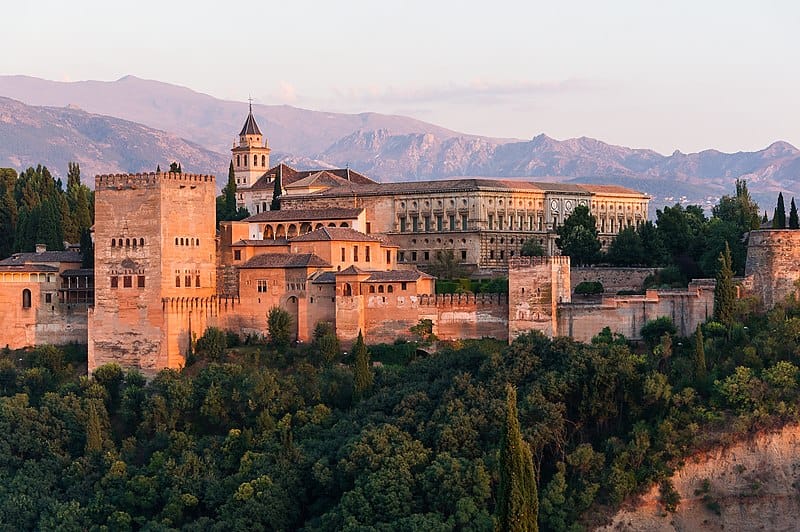
Andalusia itinerary: 5 or 7 days
Andalusia in 5 or 7 days: Seville's cathedral and Alcázar, the Mezquita of Córdoba, the Alhambra in Granada — and in the longer plan the clifftop town of Ronda and Málaga on the coast. Every day comes from our checked guides, with the journey between them.
How long do you have?
Map: 7 days
Andalusia in 5 days
Day 1
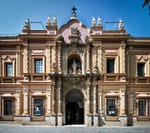
Museum of Fine Arts of Seville Must see
A museum of Spanish painting in a former convent, especially Murillo, Zurbarán and Valdés Leal.
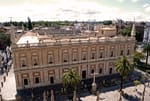
General Archive of the Indies Must see
The archive of Spain's American empire in a Renaissance merchants' exchange beside the cathedral; free to enter.
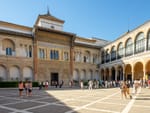
Alcázar of Seville Must see
A royal palace begun in the Middle Ages, with Mudéjar courtyards, tiled halls and large gardens; still used by the Spanish royal family.
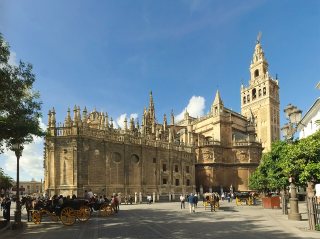
Seville Cathedral Must see
The largest Gothic cathedral in the world, holding the tomb of Christopher Columbus.
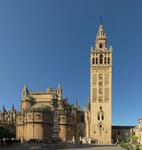
Giralda Must see
The cathedral's bell tower, built as the minaret of the Almohad mosque, climbed by ramps for views over the city.
Day 2
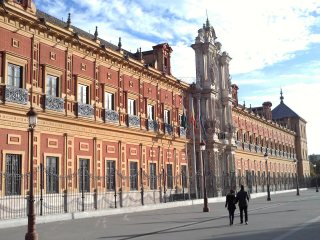
Palace of San Telmo Must see
A Baroque palace by the river, once a naval school and now the seat of the Andalusian regional government.
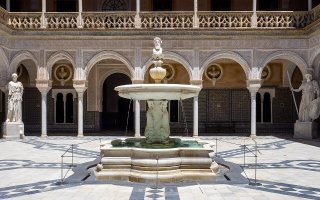
Casa de Pilatos Must see
A 16th-century Andalusian palace mixing Mudéjar and Renaissance styles, with tiled courtyards and gardens.
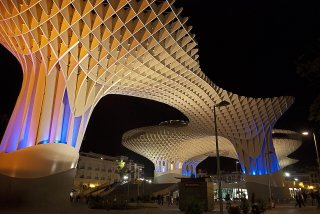
Metropol Parasol Must see
Las Setas, a huge wooden canopy over Plaza de la Encarnación, with Roman ruins below and a walkway on top.
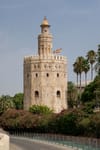
Torre del Oro Must see
A 13th-century twelve-sided watchtower on the Guadalquivir, now housing a small naval museum.
Day 3
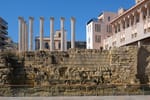
Roman temple of Córdoba Must see
Remains of a first-century Roman temple, with rebuilt columns, found in the 1950s and seen from the street.
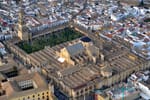
Mosque–Cathedral of Córdoba Must see
Great mosque begun in 785, with a forest of red-and-white arches and a Renaissance cathedral built inside it.

Córdoba Synagogue
Small 14th-century synagogue in the Jewish quarter with fine Mudéjar plasterwork and Hebrew inscriptions, one of Spain's few surviving medieval synagogues.
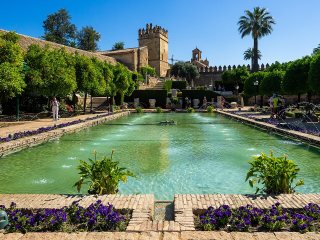
Alcázar de los Reyes Cristianos Must see
Fortress-palace of the Christian kings by the Guadalquivir, with Roman mosaics, towers and terraced gardens with pools and fountains.

Roman bridge of Córdoba
Long stone bridge over the Guadalquivir, Roman in origin and much rebuilt, linking the Mosque-Cathedral with the Calahorra Tower.
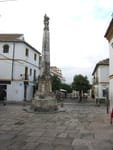
Plaza del Potro Must see
Historic square named after its colt fountain, with the inn mentioned in Don Quixote and the Julio Romero de Torres museum.
Day 4
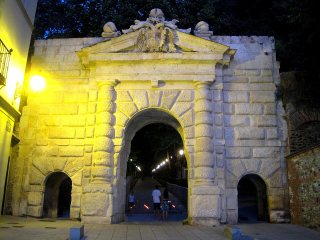
Gate of the Pomegranates
Renaissance gateway built for Charles V at the foot of the Alhambra woods, where the uphill walk from Cuesta de Gomérez begins.
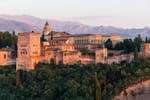
Alhambra Must see
Nasrid palace and fortress complex above the city, with carved stucco halls, courtyards and fountains; the main reason to visit Granada.
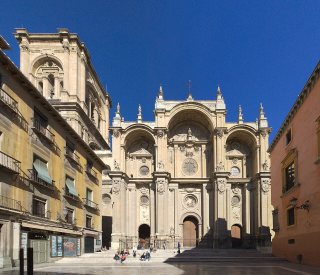
Granada Cathedral
Vast Renaissance cathedral begun in 1523 on the site of the main mosque, with a bright white interior and grand chapel.
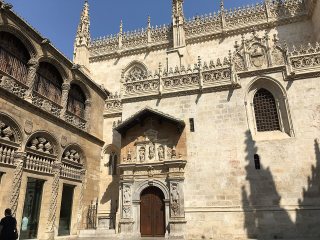
Royal Chapel of Granada
Gothic chapel built as the burial place of Ferdinand and Isabella, with their marble tombs and a fine art collection.
Arc of Elvira Must see
Eleventh-century Moorish gate, once the main entrance to the walled city, at the start of busy Calle Elvira.
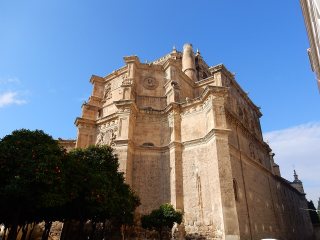
Monasterio de San Jerónimo, Granada
Sixteenth-century Renaissance monastery with a richly painted church and two quiet cloisters, a short walk from the centre.
Day 5

Carrera del Darro
A cobbled riverside street along the Darro, lined with old bridges and houses, leading to the Paseo de los Tristes beneath the Alhambra.

Sacromonte
A hillside neighbourhood known for its cave houses and flamenco shows, with a cave museum explaining traditional life.

Albaicín
Granada's old Moorish quarter of narrow, winding lanes and whitewashed houses on a hill facing the Alhambra; best explored on foot.
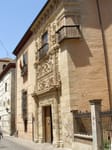
Archaeological Museum of Granada Must see
Collection of finds from prehistoric to Moorish Granada, housed in the Renaissance Casa de Castril on the Carrera del Darro.
Mirador de San Nicolás
A lookout terrace in the Albaicín with a famous view across to the Alhambra and the Sierra Nevada, especially at sunset.
Open this 5-day plan, freeChange this trip in the Trip BuilderChange it in the app
Andalusia in 7 days
Day 1
Museum of Fine Arts of Seville Must see
A museum of Spanish painting in a former convent, especially Murillo, Zurbarán and Valdés Leal.
General Archive of the Indies Must see
The archive of Spain's American empire in a Renaissance merchants' exchange beside the cathedral; free to enter.
Alcázar of Seville Must see
A royal palace begun in the Middle Ages, with Mudéjar courtyards, tiled halls and large gardens; still used by the Spanish royal family.
Seville Cathedral Must see
The largest Gothic cathedral in the world, holding the tomb of Christopher Columbus.
Giralda Must see
The cathedral's bell tower, built as the minaret of the Almohad mosque, climbed by ramps for views over the city.
Day 2
Palace of San Telmo Must see
A Baroque palace by the river, once a naval school and now the seat of the Andalusian regional government.
Casa de Pilatos Must see
A 16th-century Andalusian palace mixing Mudéjar and Renaissance styles, with tiled courtyards and gardens.
Metropol Parasol Must see
Las Setas, a huge wooden canopy over Plaza de la Encarnación, with Roman ruins below and a walkway on top.
Torre del Oro Must see
A 13th-century twelve-sided watchtower on the Guadalquivir, now housing a small naval museum.
Day 3
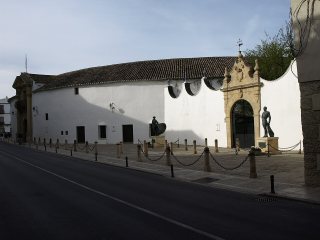
Plaza de Toros de Ronda
One of Spain's oldest bullrings, opened in 1785, with a museum of bullfighting and horsemanship.
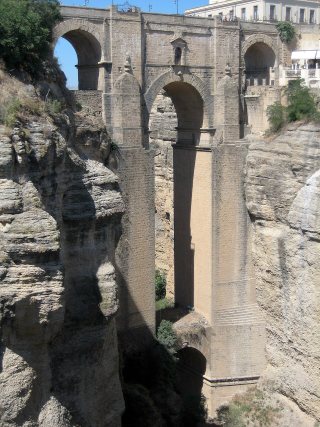
Puente Nuevo Must see
The 18th-century bridge spanning the El Tajo gorge almost 100 metres above the river, linking old and new Ronda.

Casa del Rey Moro
Old house above the gorge with terraced gardens and the Water Mine, a stairway cut in the rock down to the river.

Puente Viejo
The Old Bridge of 1616 across the gorge, a smaller stone arch with views up to the Puente Nuevo.

Baños Árabes de Ronda
Arab baths of the 13th and 14th centuries by the river, among the best preserved in Spain, with star-shaped skylights.

Iglesia de Santa María la Mayor
Ronda's main church, built on the site of the old mosque, mixing Gothic, Renaissance and Baroque styles.

Palacio de Mondragón (Museo de Ronda)
Palace with Moorish-style courtyards and gardens on the cliff, now the town museum.

Puerta de Almocábar
Medieval gate in the town walls at the southern edge of the old town, beside the Church of the Holy Spirit.
Day 4

Gibralfaro Castle
A 14th-century Moorish castle on the hill above the Alcazaba, with ramparts to walk and the best views over the city and port.

Alcazaba of Málaga
An 11th-century Moorish palace-fortress climbing the hillside, with courtyards, fountains and gardens between its walls.

Roman Theatre of Málaga
The 1st-century BC Roman theatre at the foot of the Alcazaba, rediscovered in 1951, with a small visitor centre.

Museo Picasso Málaga
A museum of Picasso's work in a Renaissance palace in the city of his birth, with Phoenician remains in the basement.

Málaga Cathedral
A Renaissance cathedral nicknamed La Manquita, the one-armed lady, for its unfinished second tower; the roof tour gives city views.
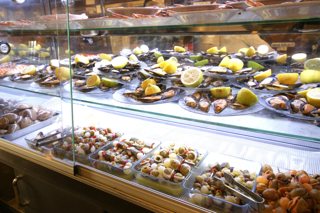
Antigua Casa de Guardia
Málaga's oldest wine bar, founded in 1840, pouring sweet local wines from the barrel and chalking the bill on the counter.
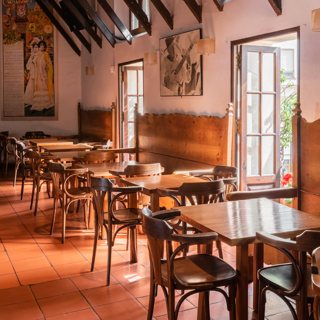
El Pimpi
A rambling, much-loved tavern by the Roman Theatre, with patios, barrels signed by famous guests, tapas and Málaga sweet wine.

Calle Larios
The elegant, marble-paved main shopping street from the port to Plaza de la Constitución, busy at all hours.

Muelle Uno
The modern harbour promenade with shops, restaurants and the Centre Pompidou's glass cube, nice for a seaside walk.
Day 5
Gate of the Pomegranates
Renaissance gateway built for Charles V at the foot of the Alhambra woods, where the uphill walk from Cuesta de Gomérez begins.
Alhambra Must see
Nasrid palace and fortress complex above the city, with carved stucco halls, courtyards and fountains; the main reason to visit Granada.
Granada Cathedral
Vast Renaissance cathedral begun in 1523 on the site of the main mosque, with a bright white interior and grand chapel.
Royal Chapel of Granada
Gothic chapel built as the burial place of Ferdinand and Isabella, with their marble tombs and a fine art collection.
Arc of Elvira Must see
Eleventh-century Moorish gate, once the main entrance to the walled city, at the start of busy Calle Elvira.
Monasterio de San Jerónimo, Granada
Sixteenth-century Renaissance monastery with a richly painted church and two quiet cloisters, a short walk from the centre.
Day 6
Carrera del Darro
A cobbled riverside street along the Darro, lined with old bridges and houses, leading to the Paseo de los Tristes beneath the Alhambra.
Sacromonte
A hillside neighbourhood known for its cave houses and flamenco shows, with a cave museum explaining traditional life.
Albaicín
Granada's old Moorish quarter of narrow, winding lanes and whitewashed houses on a hill facing the Alhambra; best explored on foot.
Archaeological Museum of Granada Must see
Collection of finds from prehistoric to Moorish Granada, housed in the Renaissance Casa de Castril on the Carrera del Darro.
Mirador de San Nicolás
A lookout terrace in the Albaicín with a famous view across to the Alhambra and the Sierra Nevada, especially at sunset.
Day 7
Roman temple of Córdoba Must see
Remains of a first-century Roman temple, with rebuilt columns, found in the 1950s and seen from the street.
Mosque–Cathedral of Córdoba Must see
Great mosque begun in 785, with a forest of red-and-white arches and a Renaissance cathedral built inside it.
Córdoba Synagogue
Small 14th-century synagogue in the Jewish quarter with fine Mudéjar plasterwork and Hebrew inscriptions, one of Spain's few surviving medieval synagogues.
Alcázar de los Reyes Cristianos Must see
Fortress-palace of the Christian kings by the Guadalquivir, with Roman mosaics, towers and terraced gardens with pools and fountains.
Roman bridge of Córdoba
Long stone bridge over the Guadalquivir, Roman in origin and much rebuilt, linking the Mosque-Cathedral with the Calahorra Tower.
Plaza del Potro Must see
Historic square named after its colt fountain, with the inn mentioned in Don Quixote and the Julio Romero de Torres museum.
Open this 7-day plan, freeChange this trip in the Trip BuilderChange it in the app
When to go to Andalusia
March to May and October to November are the best months: warm and sunny. July and August are very hot inland, often above 40 °C in Seville and Córdoba. Holy Week and Seville's April Fair are spectacular but very busy; Córdoba's patio festival is in May.
Plan the rest of your trip
- Where to stay: hotels in Andalusia on Booking.com or Trip.com
- Skip-the-line tickets: museums and sights in Andalusia on Tiqets
- Tours and day trips: things to do in Andalusia on GetYourGuide or on Viator
- Data on arrival: an eSIM for Spain from Airalo
Some of these are affiliate links: we may earn a small commission at no extra cost to you.
Tips for Andalusia
- Book Alhambra tickets weeks ahead: they sell out, and the Nasrid Palaces entry is timed.
- Book the Real Alcázar in Seville and the Mezquita in Córdoba ahead in spring and autumn.
- Many shops close in the afternoon, and dinner starts late, around 21:00.
- Churches ask for shoulders and knees covered.
- Every place here has its own ready-made guide with more days, if you want to stay longer in one place.
Make it your own
Open the guide in Andiamo Places to see every stop on a map with walking directions, move places between days, check opening hours for your dates, and add your own finds. After the trip, your photos become a journal and, if you like, a printed photo book.



Guides are made with the help of AI and public sources such as Wikipedia, and may contain errors. Opening hours and prices change, so check before you go. Spotted a wrong photo, a pin in the wrong place, a missing stop or a better one? Write to hello@andiamoplaces.com: the e-mail opens with this guide filled in.
Photo credits
- Albaicín: Bert K., CC BY 2.0
- Alcazaba of Málaga: Fernando, CC BY-SA 4.0
- Alcázar de los Reyes Cristianos: Ajay Suresh from New York, NY, USA, CC BY 2.0
- Alcázar of Seville: Ajay Suresh from New York, NY, USA. Edited by MenkinAlRire, CC BY 2.0
- Alhambra: Jebulon, CC0
- Arc of Elvira: Roberto Chamoso G, CC BY-SA 3.0 es
- Archaeological Museum of Granada: unknown author, CC BY-SA 3.0
- Baños Árabes de Ronda: Zedutchgandalf, Public domain
- Calle Larios: mahr, CC BY 2.0
- Carrera del Darro: Harvey Barrison from Massapequa, NY, USA, CC BY-SA 2.0
- Casa de Pilatos: Ajay Suresh from New York, NY, USA, CC BY 2.0
- Casa del Rey Moro: cloudsoup, CC BY 2.0
- Córdoba Synagogue: Américo Toledano, CC BY-SA 3.0
- Gate of the Pomegranates: Roberto Chamoso G, CC BY-SA 3.0 es
- General Archive of the Indies: Anual, CC BY 3.0
- Gibralfaro Castle: Tyk, CC BY-SA 3.0
- Giralda: Ingo Mehling, CC BY-SA 4.0
- Granada Cathedral: Ingo Mehling, CC BY-SA 4.0
- Iglesia de Santa María la Mayor: Olaf Tausch, CC BY 3.0
- Metropol Parasol: Anual, CC BY-SA 3.0
- Mirador de San Nicolás: Bert K., CC BY 2.0
- Monasterio de San Jerónimo, Granada: Brett Hodnett, CC BY-SA 2.0
- Mosque–Cathedral of Córdoba: Toni Castillo Quero, CC BY-SA 2.0
- Muelle Uno: Adrian Scottow from London, England, CC BY-SA 2.0
- Museo Picasso Málaga: Llecco, CC BY-SA 3.0
- Museum of Fine Arts of Seville: Pepe Morón, CC BY 4.0
- Málaga Cathedral: mahr, CC BY 2.0
- Palace of San Telmo: CarlosVdeHabsburgo, CC BY-SA 4.0
- Palacio de Mondragón (Museo de Ronda): José Luis Filpo Cabana, CC BY-SA 4.0
- Plaza de Toros de Ronda: Itto Ogami, CC BY 3.0
- Plaza del Potro: Antonio Montilla Lucena, CC BY-SA 4.0
- Puente Nuevo: Mark Gilbert, CC BY 3.0
- Puente Viejo: Marshall Henrie, CC BY-SA 3.0
- Puerta de Almocábar: IMBiblio, CC BY-SA 2.0
- Roman Theatre of Málaga: Viktar Palstsiuk, CC BY-SA 4.0
- Roman bridge of Córdoba: Rafesmar, CC BY-SA 4.0
- Roman temple of Córdoba: kallerna, CC BY-SA 4.0
- Royal Chapel of Granada: Heparina1985, CC BY-SA 4.0
- Sacromonte: Jebulon, CC0
- Seville Cathedral: Ingo Mehling, CC BY-SA 4.0
- Torre del Oro: Jebulon, CC0
Opening hours change; check before you go. Map data © OpenStreetMap contributors.